
LPR Cameras: How to Choose, Deploy, and Use Cameras in Any ALPR System
LPR cameras are selected and deployed as part of a complete ALPR system, where flexibility, consistency, and long-term analytics matter as much as capture quality.
1. What People Mean When They Search for “LPR Cameras”
When people search for LPR cameras, they are usually trying to solve a real operational problem. This may involve vehicle identification, access control, security monitoring, or investigations. The camera becomes the focus of the search because it is the most visible part of the system.
In practice, these searches are really about outcomes. Buyers want a system that delivers reliable vehicle data across different conditions and locations, not just a piece of hardware.
1.1 Why “LPR camera” searches are really about outcomes
Most searches related to LPR cameras are driven by a need for dependable results. Organizations want plates captured accurately and consistently, regardless of lighting, speed, or environment. The camera is simply the entry point to that process.
Understanding this intent helps frame the conversation correctly. LPR cameras should be evaluated based on how well they support the overall ALPR system, not as isolated components.
1.2 Different expectations across teams
Different teams approach LPR cameras with different priorities. Procurement teams may focus on cost, IT teams on compatibility, and operations teams on reliability and results.
A successful ALPR deployment balances these expectations. This is why camera decisions are best made at the system level rather than by optimizing for a single viewpoint.
2. Types of LPR Cameras Used in Real-World Deployments
LPR cameras are deployed in several common ways, depending on how vehicle data needs to be collected.
2.1 Fixed LPR cameras
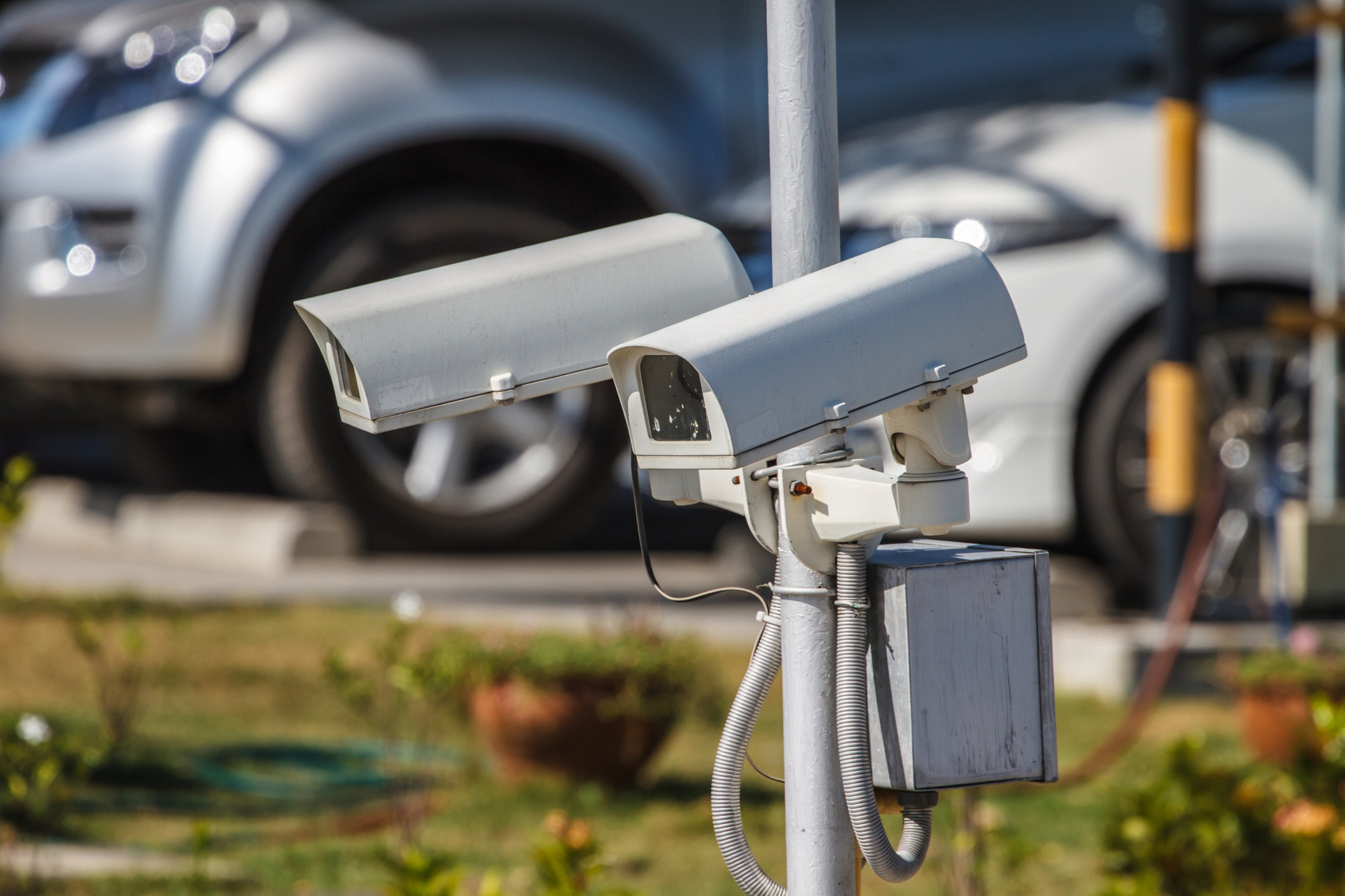
Fixed LPR cameras are installed at permanent locations such as entrances, exits, gates, and checkpoints. Vehicles move through these locations in predictable paths, which makes it easier to control angles and capture conditions.
These cameras are widely used in parking facilities, gated communities, and secured premises. When paired with good placement and lighting, they provide consistent and repeatable results.
2.2 Mobile LPR cameras
Mobile LPR cameras are typically mounted on patrol vehicles or service vehicles. They allow vehicle data to be captured across large areas without fixed infrastructure.
This approach is useful for patrol operations, enforcement, and investigations. Mobile setups extend coverage and complement fixed installations within the same ALPR system.
2.3 Portable and temporary camera setups
Portable setups are used when monitoring needs are temporary or short-term. Examples include events, construction zones, pilot projects, or seasonal traffic monitoring.
These setups may use license plate cameras mounted on trailers, poles, or temporary structures. When connected to the same software platform, they provide continuity without permanent installation.
3. Choosing LPR Cameras Based on Environment
The environment plays a major role in deciding which camera types are appropriate.
3.1 Parking lots, garages, and controlled access areas
These environments usually involve lower vehicle speeds and defined lanes. Wide-angle cameras are often used to cover multiple entry or exit points.
Standard fixed cameras work well here when paired with proper placement and lighting. The emphasis is on consistency rather than handling extreme speeds.
3.2 Roadways, highways, and high-speed areas
High-speed environments require cameras that can capture fast-moving vehicles clearly. High-shutter-speed cameras are commonly used to reduce motion blur.
In these cases, narrower fields of view are preferred so specific lanes can be targeted. Careful placement is as important as the camera itself.
3.3 Campuses, ports, and large facilities
Large facilities include a mix of roadways, parking areas, and controlled access points. PTZ cameras may be used for broader situational awareness, while fixed capture points rely on License Plate Recognition Camera deployments.
Using different camera types across zones allows each area to be covered effectively while maintaining one unified system.
4. Using Multiple Cameras in One ALPR System
Most modern deployments rely on more than one camera type.
4.1 What camera-agnostic means in simple terms
Camera-agnostic means the ALPR system can work with cameras from many manufacturers. It is not tied to a single brand or proprietary device.
PlateSmart follows this approach. It allows organizations to choose an ALPR Camera or License Plate Reader Camera based on performance and environment rather than restriction.
4.2 Why system-level consistency matters
Even when different cameras are used, the software layer remains the same. This ensures consistent data handling, analytics, and reporting.
Over time, this consistency becomes more valuable. Historical data accumulates, reports improve, and insights deepen regardless of which cameras captured the data.
5. Avoiding Vendor Lock-In
Vendor lock-in creates long-term limitations.
5.1 Risks of proprietary camera ecosystems
Proprietary systems restrict hardware choice. Organizations may be forced to compromise on camera selection or replace entire systems to adopt better technology.
Over time, this leads to compromises in camera selection or costly system replacements. Both outcomes increase total cost and reduce flexibility.
5.2 Benefits of flexibility with PlateSmart
PlateSmart separates software from hardware. Organizations can replace or add LPR cameras without changing the underlying platform.
This preserves analytics, reports, and historical data. It also allows teams to benefit from the strengths of different camera brands.
6. Common Mistakes When Selecting Cameras
Many ALPR challenges start with early decision errors.
6.1 Focusing too much on specifications
It is easy to compare cameras based on resolution or frame rate alone. These numbers do not reflect real-world performance by themselves.
Placement, lighting, and software processing often matter more. A well-deployed system can outperform higher-spec hardware that is poorly implemented.
6.2 Overlooking deployment details
Small details like mounting height, angle, and stability have a big impact. Ignoring them can limit performance even with good equipment.
Successful deployments pay attention to these details during planning and installation.
7. How Software Enhances Camera Value
Software plays a critical role in long-term success.
7.1 Supporting mixed camera environments
A strong ALPR platform is designed to work with different camera types. This allows systems to evolve without disruption.
Mixed environments become an advantage, not a limitation, when data flows into one consistent system.
7.2 Analytics that grow stronger over time
When the software remains the same for many years, analytics improve as more data is collected. Reports become richer and trends become clearer.
This long-term value is difficult to achieve in systems that require software changes when hardware has to be replaced.
8. Planning for Growth and Change
Future-proofing matters.
8.1 Adding cameras over time
As coverage needs grow, new LPR cameras can be added gradually. A flexible system supports this growth without disruption.
This allows organizations to scale at their own pace.
8.2 Replacing cameras without changing systems
Camera models evolve faster than software platforms. With a flexible system, cameras can be replaced without losing data or analytics.
This continuity protects long-term investment and operational insight.
Conclusion: Building Long-Term Value with LPR Cameras
Like the ALPR software, LPR cameras are a foundational part of any ALPR deployment, but their true value comes from how they are combined and managed over time. By choosing cameras based on environment and leveraging the strengths of different brands, organizations avoid compromise and achieve better coverage across varied conditions.
The greatest advantage comes from software capability and continuity. When the platform remains stable while LPR cameras change, analytics and reporting grow stronger year after year. Historical data accumulates, insights deepen, and decision-making improves. This is why flexible, camera-agnostic systems like PlateSmart deliver lasting value.
Looking to elevate your security infrastructure with cutting-edge LPR solutions?
We are just a phone call away. Call us today at (813) 749-0892 for a free consultation.
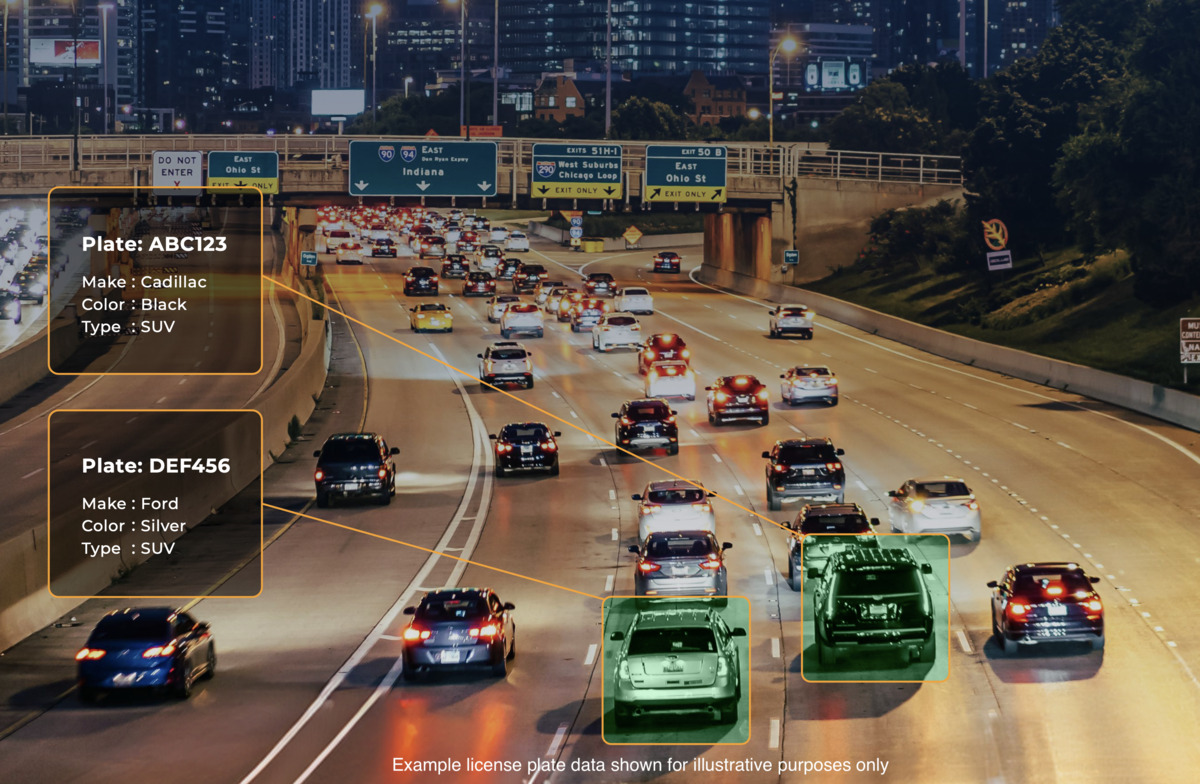
LICENSE PLATE RECOGNITION (LPR): THE ULTIMATE GUIDE TO VEHICULAR INTELLIGENCE
PlateSmart’s deep dive into License Plate Recognition and its immense contribution to security agencies and businesses.
Frequently Asked Questions About LPR Cameras
(The visuals on this page are stock images, used for illustrative purposes only)