Ultimate ALPR Implementation Guide: Avoid 9 Critical Pitfalls

Plan a flawless ALPR Implementation with this comprehensive guide to 9 critical challenges and their field-tested solutions. Avoid frustrating delays and save your strategic project from derailing into an expensive nightmare.
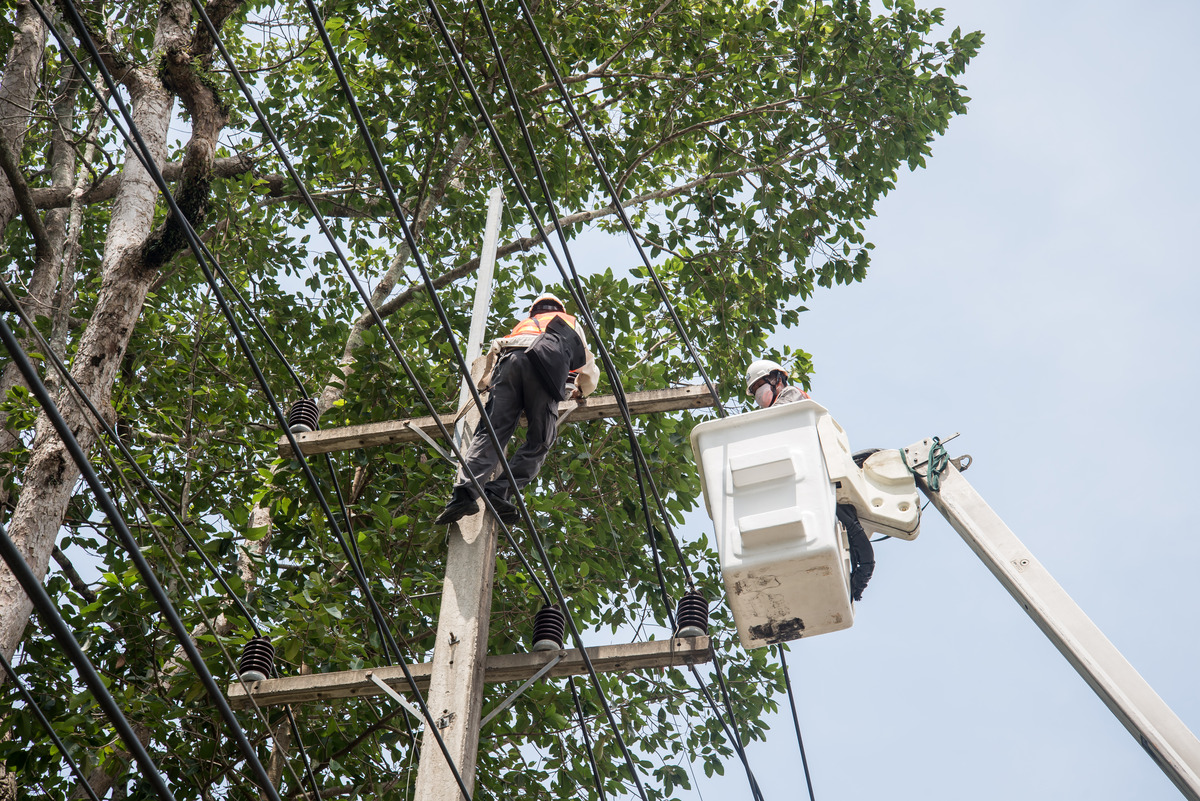
ALPR crew carrying out maintenance and repairs to equipment on site during ALPR implementation
Table of Contents
    Add a header to begin generating the table of contents

    Introduction

    LPR Systems have become indispensable tools for modern law enforcement and security operations, but their implementation can be a minefield of unexpected challenges. Organizations often discover critical issues only after beginning deployment, leading to project delays, budget overruns, and operational frustrations.

    From improper camera placement and connectivity problems to data privacy concerns and public resistance, these challenges can transform what seemed like a straightforward technology implementation into a complex, resource-draining endeavor.

    This comprehensive guide from PlateSmart maps out common LPR implementation pitfalls before you encounter them, enabling you to plan effectively, allocate resources appropriately, and ensure smooth deployment.

    By understanding these challenges upfront, organizations can avoid costly mistakes, minimize delays, and implement their LPR systems with confidence and precision.

    1. Business Objectives for ALPR Implementation

    Senior management discussion strategy for LPR implementation

    The foundation of any successful ALPR implementation begins with crystal-clear business objectives, yet this crucial step is surprisingly often overlooked or rushed through.

    A) Defining Clear Project Goals and Success Metrics

    Problems:

    Organizations frequently embark on expensive ALPR implementation projects without having a clear vision of what success will look like six months, one year, or five years down the line. They get caught up in the excitement of new technology without defining the specific business problems they're trying to solve or the customer needs they aim to address.

    Many teams approach vendors asking "What can your system do?" instead of saying "Here's what we need to achieve." This backwards approach leads to implementations that technically work but fail to deliver meaningful business value.

    Without clear objectives, organizations find themselves with powerful systems that generate mountains of data but don't produce the actionable insights decision-makers actually need.


    Solutions:

    Start by convening senior management to definitively answer the fundamental question: "Why are we implementing ALPR?" Document the core business problems you're solving and the specific customer needs you're addressing

    Define exactly what reports containing what information derived from ALPR data you want to see - these reports should directly support your business objectives and decision-making processes

    Create detailed use case scenarios that describe how the system will be used in daily operations and what outcomes you expect to achieve

    Establish measurable success criteria with specific metrics and timelines that allow you to evaluate whether the system is meeting your objectives

    Only after completing this foundational work should you approach ALPR vendors with a clear statement: "These are the reports we need and the outcomes we expect - show us how your system delivers this."

    Document your requirements in a formal business case that can guide vendor selection, system configuration, and future performance evaluation

    Once business objectives are clearly defined, organizations must understand the legal landscape they'll be operating within during ALPR implementation.

    2. Legal and Compliance

    Legal compliance discussion

    A) Legal Hurdles for Installation

    Problems:

    Organizations often discover too late that they need multiple permits from different authorities, each with its own requirements and timelines. Common oversights include failing to obtain proper zoning clearances, ignoring local surveillance equipment regulations, or missing requirements for public notice.

    Some organizations carry out their ALPR implementation only to find they violate local privacy laws or exceed allowable coverage areas. Cross-jurisdiction installations face even more complex challenges when different areas have conflicting requirements.


    Solutions:

    Create a comprehensive checklist of required permits and approvals for each installation location

    Engage legal experts familiar with local surveillance laws during the planning phase

    Develop relationships with local authorities who can provide guidance on requirements and potential issues

    Document all communication and decisions regarding permits and compliance

    Create detailed site plans showing camera positions, coverage areas, and nearby properties

    Establish a compliance calendar that tracks permit renewals, required inspections, and policy updates

    Build extra time into project timelines to accommodate unexpected legal requirements or bureaucratic delays

    B) Managing Public Perception

    Problems:

    LPR systems often face public scrutiny over concerns regarding surveillance overreach, data misuse, and privacy violations. News media might portray the system as Big Brother's latest tool, while privacy advocates question the necessity of collecting such extensive data.

    Organizations sometimes face resistance not just from the public but also from internal stakeholders who worry about liability and reputation risks. Negative public perception can lead to political pressure, funding challenges, and operational restrictions.


    Solution:

    Building public trust requires proactive communication and genuine transparency about your LPR program

    Begin community engagement before system deployment, explaining the specific problems the LPR system will address and the benefits it will bring

    Create clear, accessible materials that explain how the system works, what data is collected, and how it's protected

    Develop case studies highlighting successful outcomes, such as recovered stolen vehicles or solved crimes, while maintaining appropriate privacy protections

    Establish a citizen advisory board to provide community oversight and input on policies

    Regularly publish transparency reports showing system usage statistics and compliance metrics

    Create clear channels for public feedback and concerns, demonstrating your commitment to responsible system operation

    Partner with community organizations to educate the public about the system's role in public safety while acknowledging and addressing privacy concerns

    With legal requirements understood, organizations must next evaluate their data storage and management needs to make informed technology decisions regarding their ALPR implementation.

    Looking to elevate your security infrastructure with cutting-edge LPR solutions?

    We are just a phone call away. Call us today at (813) 749-0892 for a free consultation.

    3. Data Storage and Management

    A stack of interconnected hardware to store ALPR data

    A) Insufficient Data Storage Capacity

    Problems:

    LPR systems are data hoarders. Every camera continuously generates high-resolution video footage, and the ALPR system generates large quantities of images that quickly fill up storage spaces. Organizations often underestimate their storage needs, not accounting for factors like increased traffic volumes, higher resolution cameras, or longer retention requirements.

    When storage runs low, systems might start overwriting valuable historical data or crash entirely. Some organizations find themselves making rushed decisions about data deletion, potentially losing important evidence or historical patterns that could be valuable for analysis.


    Solutions:

    Effective data storage management requires both immediate and long-term planning

    Design a tiered storage architecture where recent data stays on fast, local storage while older data moves to more cost-effective solutions

    Implement automatic data lifecycle policies that move data through these tiers based on age and importance

    Consider hybrid storage solutions that combine on-premise storage for immediate access with cloud storage for long-term retention

    Set up monitoring systems that alert you well before storage capacity becomes critical

    Create clear retention policies based on operational needs and legal requirements, and automate the archival or deletion process to prevent manual errors

    Regular audits of stored data help identify unnecessary duplicates or obsolete information that can be safely removed

    B) Managing Data Privacy

    Problems:

    LPR systems collect a lot of sensitive data. Each captured plate potentially links to personal information, travel patterns, and individual behaviors. Organizations struggle with balancing operational needs against privacy requirements, especially when different jurisdictions have conflicting regulations.

    Common challenges include unauthorized access to data, inappropriate sharing of information with third parties, and lack of proper audit trails for data access. Some organizations discover they're inadvertently violating privacy laws, like GDPR or CCPA, simply because they didn't properly configure their data retention settings.


    Solutions:

    Protecting privacy requires a comprehensive approach that starts with system design and extends through daily operations

    Implement role-based access control where each user can only access the minimum data needed for their job

    Set up encryption for both data in transit and at rest, using industry-standard protocols

    Create detailed audit logs of who accesses what data and when, with automated alerts for unusual access patterns

    Establish clear procedures for data sharing, including requirements for data anonymization when appropriate

    Regularly review compliance with local and national privacy laws, and consult legal experts to ensure your system adheres to all necessary regulations

    Train all users on privacy requirements and maintain updated documentation of all privacy-related procedures

    Consider implementing data masking for sensitive fields and automatic redaction tools for shared reports

    Once you understand your data storage requirements and privacy obligations, you can make an informed decision about the right deployment architecture for your ALPR implementation.

    4. On-Prem v/s SaaS Choice for ALPR Implementation
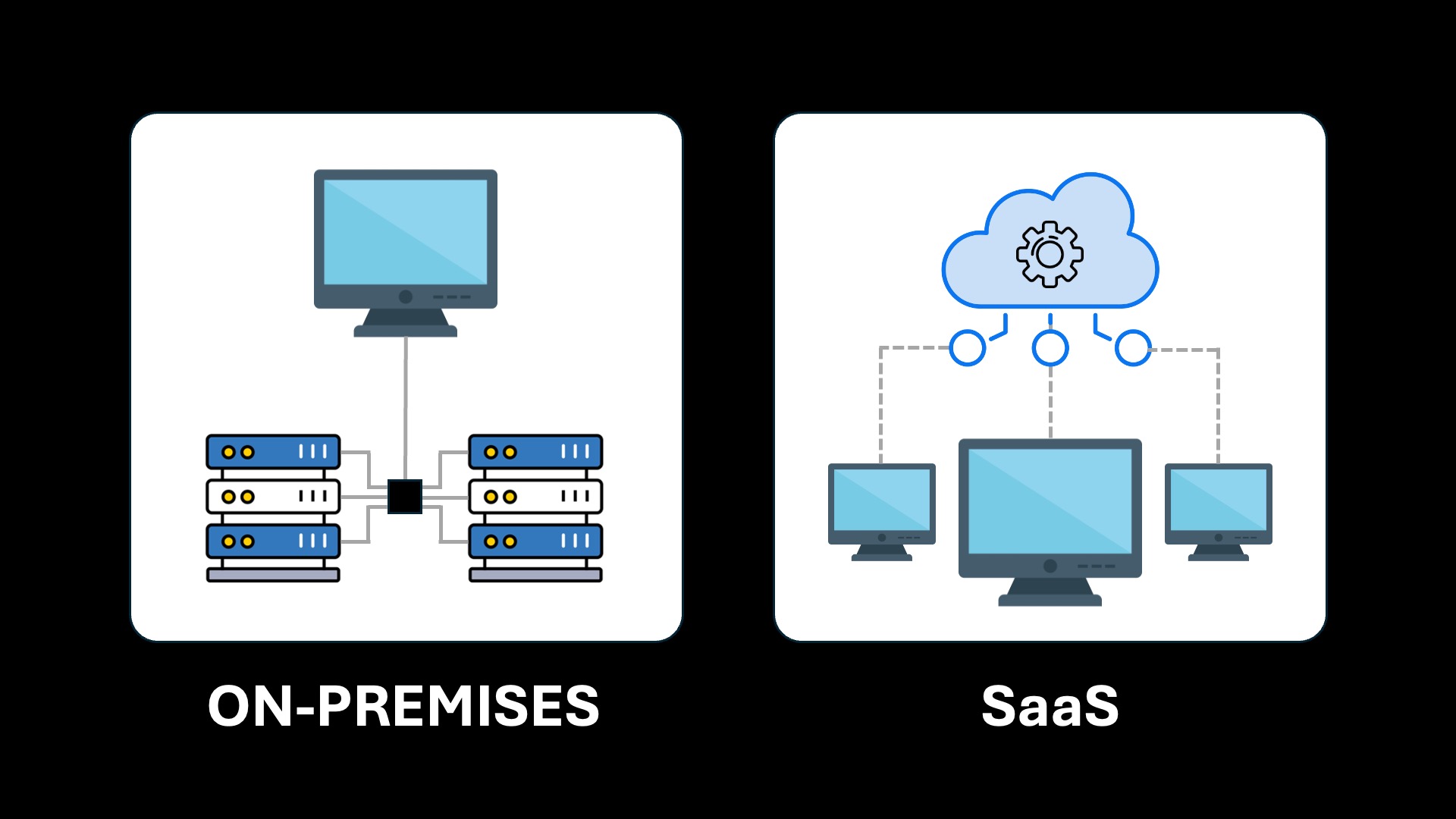
    An illustration depicting On-Premises vs SaaS deployment options for LPR implementation

    A) Choosing the Right Deployment Architecture

    With your business objectives clearly defined, legal landscape mapped out, data storage needs clearly defined and privacy requirements understood, you now face a foundational technology decision that will influence every aspect of your ALPR implementation: choosing between On-premises and Software-as-a-Service (SaaS) deployment.

    This architectural choice directly impacts how you'll address the software integration, hardware management, and operational challenges that follow.

    On-Premises Deployment:

    Complete control over infrastructure and data

    Hardware and software are managed internally

    Higher upfront investment but potential long-term cost benefits

    Requires dedicated IT expertise and resources

    SaaS Deployment:

    Vendor-managed infrastructure

    Subscription-based pricing with lower upfront costs

    Regular automatic updates and maintenance

    Less internal IT burden, but ongoing dependency on vendor

    This deployment decision fundamentally shapes your approach to the remaining ALPR implementation challenges. Throughout the subsequent sections of this guide, we present challenges and solutions in a deployment-agnostic way, but the execution will vary significantly based on your choice.

    If you've selected on-premises deployment, you'll implement solutions through your internal teams and infrastructure. If you've chosen SaaS, you'll collaborate with your vendor to ensure these challenges are properly addressed within their managed environment.

    With the deployment choice made, attention now turns to the software components that will process and analyze the collected information.

    LICENSE PLATE RECOGNITION (LPR): THE ULTIMATE GUIDE TO VEHICULAR INTELLIGENCE

    PlateSmart’s deep dive into License Plate Recognition and its immense contribution to security agencies and businesses.

    5. Software

    Software code illustration

    A) Integration with Existing Systems

    Problems:

    Introducing a new LPR system to your existing software ecosystem can feel like hosting a dinner party where all guests don’t speak the same language. Many organizations discover that their new LPR software refuses to communicate properly with existing databases, creates conflicts with current security systems, or generates incompatible data formats.

    Common issues include mismatched data fields, inconsistent time stamps, authentication conflicts, and database synchronization problems. Some organizations find themselves running parallel systems because their new LPR solution won't play nice with legacy access control or visitor management systems.


    Solutions:

    Successful integration starts with thorough planning and vendor evaluation long before implementation

    Choose vendors who provide well-documented APIs and have experience integrating with systems similar to yours

    Create a detailed integration map identifying all touch points between systems, including data formats, transfer protocols, and security requirements

    Set up a test environment that mirrors your production systems to validate integrations before going live

    Establish clear communication channels with your vendor's technical team and maintain detailed documentation of all customizations and configurations

    Regular integration testing helps catch issues early, while maintaining a rollback plan ensures you can quickly revert changes if problems arise

    B) Software Bugs and Glitches

    Problems:

    Even the most sophisticated software can sometimes behave like a temperamental teenager. LPR software is no different. Systems can freeze during critical operations, mysterious errors can appear in plate readings, and automated alerts can fail without warning.

    Organizations often discover bugs that only surface under specific conditions - like high traffic volumes or particular lighting conditions. These issues range from minor annoyances like duplicate entries to major problems like system crashes that bring operations to a halt. Performance degradation over time can also occur as databases grow and system logs accumulate.


    Solutions:

    Preventing and managing software issues requires a systematic approach to testing and maintenance

    Start with a comprehensive testing plan that covers various operational scenarios - different traffic volumes, weather conditions, and time periods

    Implement a staged rollout strategy where new features or updates are first deployed in a test environment, then to a limited subset of cameras before full deployment

    Maintain detailed logs of system behavior and establish automated monitoring to alert you to potential issues before they become critical

    Create clear procedures for routine maintenance tasks like log rotation, database optimization, and cache clearing

    Build redundancy into critical system components and maintain updated backup and recovery procedures

    Regular communication with your vendor's support team ensures you're aware of known issues and upcoming patches

    Software systems work best with robust hardware components that must be carefully selected and positioned for optimal performance.

    6. Hardware

    ALPR crew carrying out maintenance and repairs to equipment on site during ALPR implementation

    A) Camera Placement Challenges

    Problems:

    One of the most common issues with LPR systems arises from improper camera placement. If cameras are installed at incorrect angles they could end up capturing more sky than cars or only partial plates. If they are positioned too close or too far from the intended area of plate capture, the resulting images could be blurry or too tiny for effective data extraction.

    Sometimes installations don’t account for future obstacles, like that innocent-looking sapling that will grow into a tree and totally obscure the camera’s view. All this can lead to missed captures and data errors.


    Solutions:

    Conduct thorough site surveys before the camera installation stage of your ALPR implemementation

    Test different angles during various times of the day, because what works in morning sunshine might turn your cameras into expensive paperweights at sunset or vice versa

    Watch out for future obstacles like vegetation or planned construction work

    Position cameras to avoid glare - from the sun during the day as well as from the headlights of oncoming traffic during the night

    If it’s a location that gets snow during winter, there could be glare coming off that as well

    Consider installing infrared cameras or adding supplementary lighting at locations that are not well lit

    Plan for easy maintenance access, whether it is to be undertaken by your own team or a vendor’s

    B) Environmental Factors

    Problems:

    Mother Nature can be your LPR system's toughest critic. Outdoor cameras face a relentless assault from the elements that can gradually degrade their performance. Rain droplets on the camera lens can result in bad quality images, while fog and snow can reduce visibility to mere feet.

    Dramatic temperature swings can fog up lenses and affect internal electronics, while summer heat can cause systems to throttle or shut down entirely. Dust and debris build up on lenses like unwanted Instagram filters, while salty sea air near coastal areas can corrode equipment. Even birds seem to find LPR equipment particularly attractive for their nesting ambitions.


    Solutions:

    Protecting your LPR investment from environmental challenges requires a comprehensive approach that starts with choosing the right equipment and continues with proactive maintenance

    Select cameras with industrial-grade weather protection ratings suitable for your climate - what works in Arizona won't necessarily survive in Alaska

    Install protective housing and set up automated monitoring systems to alert you when cameras experience temperature extremes or unusual behavior

    Establish a regular maintenance schedule that includes cleaning lenses, checking seals, clearing debris, and inspecting for water ingress or corrosion

    Consider installing protective awnings or shields in areas with extreme weather, and use hydrophobic lens coatings to help water slide off rather than creating drops that distort images

    Even perfectly positioned hardware requires reliable connectivity to transmit the data it captures to processing systems.

    7. Connectivity and Data Transmission

    A graphical representation of the integration of LPR with other digital nodes of a smart city infrastructure

    A) Bandwidth Limitations

    Problems:

    LPR systems can quickly turn your network into a rush-hour traffic jam. Each camera generates massive amounts of high-resolution images and video data that need to be immediately transmitted to central processing servers.

    Organizations often discover their existing network infrastructure buckling under this load, especially during peak hours. Network saturation leads to processing backlogs, delayed alerts, and missed captures. What's worse, as the data queue grows longer, the system starts dropping frames or degrading image quality to keep up, defeating the purpose of having high-resolution cameras in the first place.


    Solutions:

    Managing LPR data flow requires a multi-layered approach that begins at the early stage of ALPR implementation with understanding your system's actual needs

    Implement edge computing solutions that process images right at the camera location, sending only the extracted plate data rather than full video to your central system

    Set up data prioritization protocols where critical real-time alerts take precedence over routine data transfers

    Create local storage buffers at camera locations for temporary data retention during network congestion

    Conduct regular network performance monitoring to help identify bottlenecks before they impact operations

    B) Unreliable Wireless Connectivity

    Problems:

    Wireless connections in LPR systems can be as unpredictable as weather forecasts. Remote locations suffer from weak signals while urban areas face interference from countless competing networks. Metal structures, thick walls, and sometimes even large vehicles can create dead zones in your coverage area.

    System performance can vary dramatically throughout the day as environmental conditions change and other wireless devices compete for bandwidth. These connectivity gaps lead to missed captures during critical moments and create blind spots in your surveillance coverage.


    Solutions:

    Building reliable wireless connectivity for LPR systems requires planning for the worst while hoping for the best

    Every extra measure taken is going to cost money, so you’ll have to identify high-priority locations to bolster first

    Start by conducting site surveys using professional tools to map signal strengths and identify potential interference sources

    Consider installing multiple types of connectivity options - combining traditional wireless, cellular, and, where possible, wired connections

    You may be able to configure your network equipment to automatically switch between connectivity options based on performance and availability

    Use enterprise-grade wireless equipment and conduct a cost/benefit evaluation of features like automatic channel selection to optimize connections

    Install signal boosters and repeaters to eliminate dead zones, set up automated monitoring systems that alert you to connectivity issues, and maintain backup power supplies for all critical network components

    Beyond technical infrastructure, successful ALPR implementation requires addressing human and operational factors that determine day-to-day effectiveness.

    8. Operational Challenges during ALPR Implementation

    Team meeting and discussion in office

    A) Training and User Adoption

    Problems:

    Even the most sophisticated LPR system becomes a dead investment if users don't understand how to operate it effectively. Organizations often face resistance from staff who view the new system as either too complex or a threat to their traditional ways of working.

    Common issues include users creating workarounds that bypass important features, incorrectly configuring settings that lead to missed captures, or failing to use advanced analytics tools that could provide valuable insights. Some teams become overly dependent on one or two expert users, creating operational bottlenecks and risks when these individuals are unavailable.


    Solutions:

    Successful user adoption requires a structured approach that goes beyond basic training sessions

    Start with a comprehensive needs assessment to understand different user roles and their specific requirements

    Create role-based training programs that focus on relevant features for each user type

    Develop hands-on training scenarios using real-world examples from your organization

    Build a knowledge base of common issues and solutions, including video tutorials and quick reference guides

    Identify and nurture "power users" who can act as system champions, providing peer support and gathering feedback for improvements

    Schedule regular refresher sessions to introduce new features and address emerging challenges

    Maintain an open feedback loop where users can report issues and suggest improvements, making them feel invested in the system's success

    B) Delays in Technical Support

    Problems:

    Organizations face frustrating delays when cameras go offline or software malfunctions, especially during off-hours or holidays. Critical system components remain non-functional while support tickets bounce between different levels of vendor support.

    Common issues include support teams lacking access to system configurations, timezone differences causing communication delays, and incomplete documentation of custom implementations. Some organizations find themselves repeating the same troubleshooting steps with different support representatives, while others struggle with language barriers or mismatched technical expertise.


    Solutions:

    Effective technical support requires careful planning and clear agreements during ALPR implementation before issues arise

    Negotiate detailed SLAs that specify maximum response times for different severity levels and include financial penalties for violations

    Create a tiered support structure where critical issues receive immediate attention from senior engineers

    Maintain comprehensive system documentation, including configuration details, customizations, and known issues

    Build relationships with local support partners who can provide hands-on assistance when needed

    Establish escalation procedures that clearly define when and how to elevate support issues to higher levels

    Consider implementing remote monitoring tools that allow vendors to diagnose issues quickly

    Train internal staff on basic troubleshooting to resolve simple issues without vendor involvement

    Finally, organizations must carefully manage the financial aspects of their ALPR implementation to ensure long-term sustainability and value delivery.

    9. Cost Overruns during ALPR Implementation

    Project leaders discussing cost overruns

    A) Unforeseen Expenses

    Problems:

    ALPR implementations often come with financial surprises in the form of unexpected bills. Organizations frequently underestimate costs for site preparation, network upgrades, and additional equipment needs. Hidden expenses emerge from necessary infrastructure improvements, training requirements, and system integration complexities.

    Some organizations face cost escalations when initial equipment proves inadequate for actual operating conditions, requiring upgrades or replacements. Additional expenses arise from needed security enhancements, storage expansions, and compliance-related modifications not included in initial budgets.


    Solutions:

    Start with a comprehensive budgeting approach that looks beyond basic equipment costs

    Create detailed cost breakdowns covering the 3 major heads of Software, Hardware, and Labor

    Include a minimum 20% contingency fund for unexpected issues

    Request detailed pricing from vendors that includes all potential fees and charges

    Consider total ownership costs, including power consumption, maintenance, and equipment lifecycle

    Create a phased implementation plan that spreads costs over time while allowing for system validation

    Establish clear metrics for measuring return on investment through reduced manual effort, improved enforcement rates, and enhanced security outcomes

    B) Balancing Initial Costs with Long-Term Savings

    Problems:

    Initial investments in cameras, software, storage, and infrastructure can seem daunting to many organizations. Decision-makers often focus on upfront costs while undervaluing long-term benefits.

    Organizations struggle to quantify benefits and understandably so, as it is difficult to assign dollar values to benefits like lowered crime, improved security, faster response times, and reduced manual effort. Budget constraints might push organizations toward cheaper solutions that end up costing more through increased maintenance and earlier replacement needs.


    Solutions:

    Build a comprehensive business case that clearly demonstrates both immediate and long-term benefits

    Consider flexible procurement options like leasing or Software-as-a-Service models that spread costs over time

    Implement the system in phases, allowing each stage to demonstrate value before further expansion

    Document all efficiency gains and cost savings to justify future investments. Create clear metrics for measuring system performance and financial benefits

    Consider partnership opportunities with other departments or organizations to share costs while maintaining system effectiveness

    Conclusion

    A modern PTZ traffic camera illustrating the integration of LPR with the Internet of Things

    While ALPR implementation presents complex challenges, forewarned is forearmed. By understanding the potential pitfalls across areas like hardware, software, connectivity, data management, and public relations, organizations can develop comprehensive implementation strategies that anticipate and address these issues proactively.

    Success lies not just in selecting the right technology, but in careful planning, thorough testing, proper training, and maintaining strong relationships with vendors and the community.

    Organizations that approach ALPR implementation with this knowledge can avoid costly mistakes, minimize disruptions, and create robust systems that deliver on their promise of enhanced security and efficiency.

    Whether you're considering an LPR system or already in the planning phase, let this guide by PlateSmart serve as your roadmap to successful implementation.

    If you have any questions, we are just a phone call away.


    To learn how PlateSmart's industry-leading ALPR solutions can enhance your hospitality venue's guest experience, operational efficiency, and business intelligence, contact us today at (813) 749-0892 or email info@platesmart.com.

    Frequently Asked Questions About ALPR Implementation

    Before starting an ALPR implementation, organizations must define crystal-clear business objectives by answering "Why are we implementing ALPR?" and "What results do we want from this system?" Create detailed use case scenarios, establish measurable success criteria with specific metrics and timelines, and document requirements in a formal business case. Only after completing this foundational work should you approach automatic license plate recognition vendors with clear statements about needed reports and expected outcomes.

    ALPR implementation often requires multiple permits from different authorities, each with unique requirements and timelines. Organizations must obtain proper zoning clearances, comply with local surveillance equipment regulations, and meet public notice requirements. Legal hurdles include navigating local privacy laws, ensuring coverage areas don't exceed allowable limits, and managing cross-jurisdictional installations with conflicting requirements. Engaging legal experts familiar with surveillance laws during planning is essential for successful license plate reader deployment.

    Managing public perception during ALPR implementation requires proactive communication and genuine transparency about the program's benefits. Begin community engagement before system deployment, explaining specific problems the automatic license plate recognition system will address. Create clear materials explaining how the system works, what data is collected, and how it's protected. Establish citizen advisory boards, publish regular transparency reports, and partner with community organizations to educate the public while addressing privacy concerns.

    ALPR implementation creates significant data storage challenges as license plate reader systems continuously generate high-resolution images and video footage that quickly fill storage spaces. Organizations often underestimate storage needs, not accounting for increased traffic volumes or longer retention requirements. Solutions include designing tiered storage architectures, implementing automatic data lifecycle policies, considering hybrid storage combining on-premise and cloud solutions, and setting up monitoring systems that alert before storage capacity becomes critical.

    The choice between on-premises and SaaS deployment fundamentally shapes ALPR implementation approaches. On-premises deployment offers complete control over infrastructure and data, requiring higher upfront investment but providing potential long-term cost benefits and requiring dedicated IT expertise. SaaS deployment provides vendor-managed infrastructure with subscription-based pricing, automatic updates, and less internal IT burden but creates ongoing vendor dependency. This architectural decision influences every aspect of license plate recognition system management.

    Common software integration challenges during ALPR implementation include new license plate reader systems refusing to communicate with existing databases, creating conflicts with security systems, or generating incompatible data formats. Issues include mismatched data fields, inconsistent timestamps, authentication conflicts, and database synchronization problems. Solutions involve choosing vendors with well-documented APIs, creating detailed integration maps, setting up test environments, and maintaining clear communication channels with vendor technical teams.

    Proper camera placement is crucial for successful ALPR implementation as incorrect angles can result in capturing more sky than vehicles or only partial license plates. Organizations must conduct thorough site surveys, test different angles during various times of day, account for future obstacles like vegetation growth, position cameras to avoid glare from sun and headlights, and plan for easy maintenance access. Professional site assessment ensures automatic license plate recognition cameras capture clear, usable images consistently.

    Environmental factors significantly impact ALPR implementation success as outdoor cameras face challenges from rain droplets on lenses, fog and snow reducing visibility, temperature swings fogging lenses, summer heat causing system throttling, and dust buildup degrading image quality. Solutions include selecting cameras with appropriate weather protection ratings, installing protective housing, establishing regular maintenance schedules, and considering hydrophobic lens coatings to help water slide off rather than creating image-distorting drops.

    Bandwidth limitations during ALPR implementation occur when license plate recognition systems generate massive amounts of data that overwhelm existing network infrastructure, especially during peak hours. Network saturation leads to processing backlogs, delayed alerts, and missed captures. Solutions include implementing edge computing to process images locally, setting up data prioritization protocols for critical alerts, creating local storage buffers, and conducting regular network performance monitoring to identify bottlenecks before they impact operations.

    Wireless ALPR implementation faces challenges from weak signals in remote locations, interference in urban areas, dead zones created by metal structures and thick walls, and performance variations throughout the day. These connectivity gaps lead to missed captures during critical moments. Solutions include conducting professional site surveys, installing multiple connectivity options combining wireless and cellular connections, using enterprise-grade equipment with automatic channel selection, and installing signal boosters to eliminate dead zones.

    Successful user adoption during ALPR implementation requires structured training that goes beyond basic sessions. Organizations should conduct comprehensive needs assessments, create role-based training programs focusing on relevant features, develop hands-on scenarios using real-world examples, build knowledge bases with video tutorials, identify power users as system champions, schedule regular refresher sessions, and maintain open feedback loops where users can report issues and suggest improvements.

    Technical support considerations for ALPR implementation include negotiating detailed SLAs specifying maximum response times for different severity levels, creating tiered support structures where critical issues receive immediate senior engineer attention, maintaining comprehensive system documentation including configurations and customizations, building relationships with local support partners, establishing clear escalation procedures, and training internal staff on basic troubleshooting to resolve simple issues without vendor involvement.

    Avoiding cost overruns during ALPR implementation requires comprehensive budgeting that looks beyond basic equipment costs to include site preparation, network upgrades, and additional equipment needs. Create detailed cost breakdowns covering software, hardware, and labor, include minimum 20% contingency funds, request detailed vendor pricing including all potential fees, consider total ownership costs including power and maintenance, and create phased implementation plans that spread costs while allowing system validation.

    Balancing initial ALPR implementation costs with long-term savings requires building comprehensive business cases demonstrating immediate and long-term benefits, considering flexible procurement options like leasing or SaaS models, implementing systems in phases to demonstrate value before expansion, documenting efficiency gains and cost savings, creating clear metrics for measuring automatic license plate recognition system performance, and considering partnership opportunities to share costs while maintaining effectiveness.

    Data privacy requirements during ALPR implementation involve implementing role-based access control where users access minimum necessary data, setting up encryption for data in transit and at rest, creating detailed audit logs with automated alerts for unusual access patterns, establishing clear data sharing procedures with anonymization requirements, regularly reviewing compliance with privacy laws like GDPR and CCPA, training users on privacy requirements, and considering data masking and automatic redaction tools.

    ALPR implementation testing should include comprehensive plans covering various operational scenarios like different traffic volumes, weather conditions, and time periods. Implement staged rollout strategies deploying updates first in test environments, then limited camera subsets before full deployment. Maintain detailed system behavior logs, establish automated monitoring for potential issues, create procedures for routine maintenance tasks, build redundancy into critical components, and maintain updated backup and recovery procedures.

    Measuring ALPR implementation success requires tracking universal metrics including user adoption rates, system uptime aiming for 99% reliability, read accuracy targeting 97% correct license plate identification, seamless integration with existing tools, and response time improvements. Organizations should also document qualitative benefits like enhanced public safety, improved customer experience, increased staff productivity, crime deterrence effects, and smarter decision-making through pattern analysis that informs operational planning.

    Common ALPR implementation mistakes include starting without clear business objectives, underestimating legal and compliance requirements, insufficient planning for data storage and privacy needs, poor camera placement without proper site surveys, inadequate network capacity planning, insufficient user training and change management, unrealistic budget expectations without contingency planning, and choosing deployment architecture without understanding long-term implications for automatic license plate recognition system management and scalability.