ALPR Site Assessment: 6 Steps That Save Money and Prevent Headaches

Discover how thorough pre-installation assessment prevents costly surprises and ensures optimal ALPR system performance from day one.

ALPR Site Assessment for installing ALPR cameras and equipment
Table of Contents
    Add a header to begin generating the table of contents

    Introduction

    Installing ALPR equipment without proper site assessment is like performing surgery blindfolded. What seems like a straightforward installation can quickly turn into an expensive nightmare involving traffic closures, special equipment, and unexpected permit requirements.

    A thorough ALPR site assessment helps you identify challenges before they become costly problems. This systematic evaluation process reveals hidden installation costs, technical requirements, and regulatory hurdles that could derail your project timeline and budget.

    Here's how to conduct a comprehensive evaluation that saves both money and headaches.

    1. Map Out Camera Angles and Coverage Areas
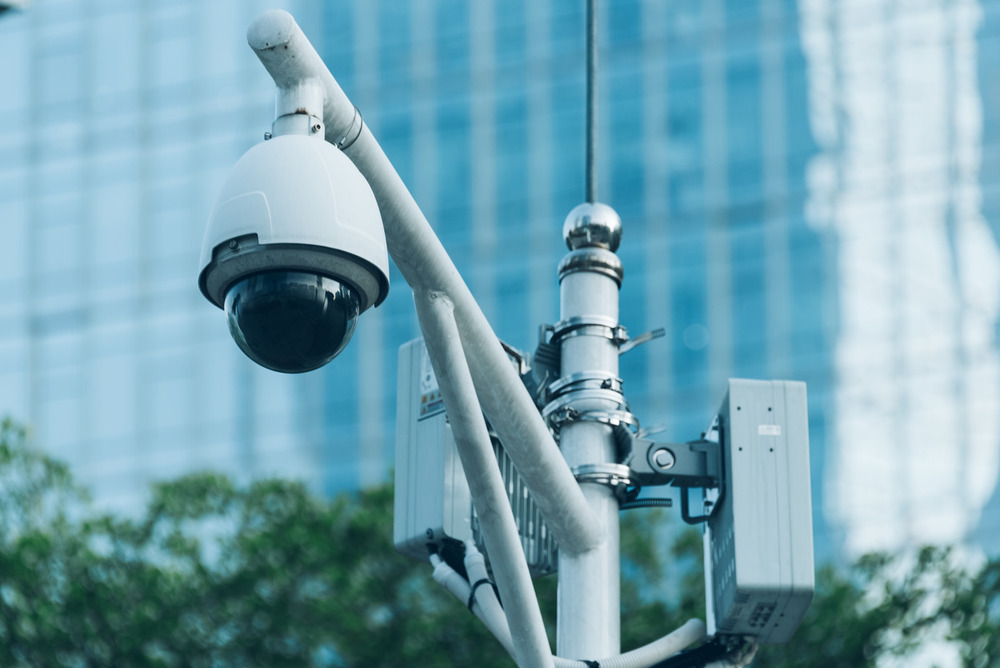
    A modern PTZ traffic camera illustrating the integration of LPR with the Internet of Things

    Start by determining exactly where each camera needs to be positioned for optimal license plate capture. A proper ALPR site assessment begins with testing different angles during various times of day because what works in morning sunshine might fail completely at sunset.

    Key considerations:

    • Height and distance: Too close creates blurry images; too far makes plates unreadable
    • Angle of approach: Cameras positioned at sharp angles may only capture partial plates
    • Coverage overlap: Minimize blind spots between camera zones

    Walk through each proposed location multiple times and take test photos from different positions to verify coverage before committing to mounting points.

    2. Conduct Comprehensive ALPR Site Assessment for Environmental Obstacles

    Look for anything that could block or interfere with camera views, both now and in the future. This phase of your ALPR site assessment prevents costly relocations after installation.

    • Existing obstacles: Trees, signs, light poles, or buildings that obstruct sight-lines
    • Seasonal changes: That small tree might grow large enough to block the camera within two years
    • Construction plans: Check with local authorities about planned infrastructure changes
    • Weather patterns: Areas prone to heavy snow, fog, or dust storms need special consideration

    Document potential obstacles with photos and GPS coordinates. Consider how vegetation will look in different seasons and plan for growth over the system's expected lifespan.

    3. Assess Installation Access and Requirements

    Road closure for carrying out ALPR equipment installation work

    Determine what equipment and permissions you'll need for actual installation. This step often reveals hidden costs that can double your budget and is a critical component of any thorough ALPR site assessment.

    Easy access locations (ground level, standard poles):

    • Standard ladders and basic tools
    • Minimal traffic disruption
    • Lower labor costs

    Challenging locations (highway overpasses, busy intersections):

    • Bucket trucks or specialized lifting equipment
    • Lane closures and traffic management
    • Police escorts or traffic control officers
    • Special permits and coordination with multiple agencies

    The difference in installation costs between these scenarios can be thousands of dollars per camera location.

    4. Evaluate Power and Connectivity Options
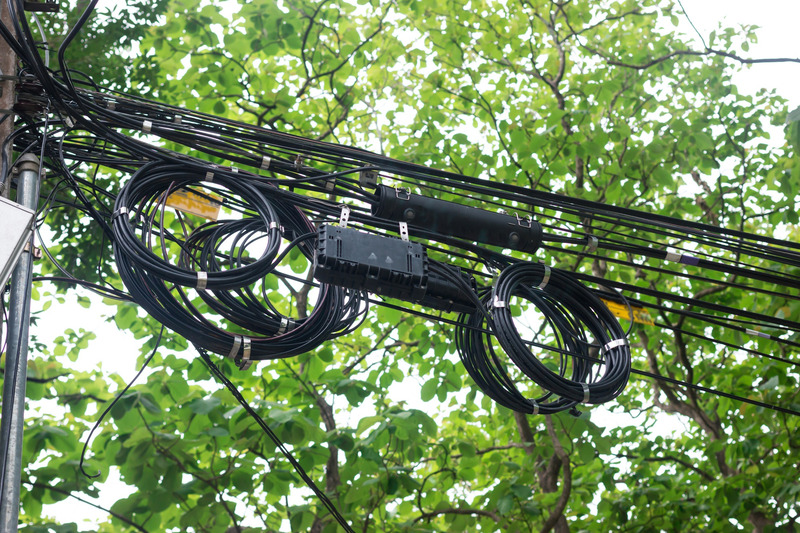
    Wired network connectivity for ALPR

    Survey available infrastructure for powering and connecting your ALPR system. This infrastructure evaluation should be a standard part of every ALPR site assessment process.

    Power considerations:

    • Proximity to electrical sources
    • Need for new electrical runs
    • Backup power requirements
    • Solar power feasibility for remote locations

    Connectivity options:

    • Existing network infrastructure
    • Wireless signal strength
    • Cellular coverage quality
    • Fiber optic availability

    Test wireless signals at different times of day, as performance can vary significantly during peak usage hours. Document signal strength measurements and identify any dead zones.

    5. Research Permits and Legal Requirements

    Contact local authorities to understand all required permissions and approvals. Permit research is often the most time-consuming aspect of ALPR site assessment but prevents project delays later.

    Essential permit considerations:

    • Traffic management permits: Required for installations affecting roadways
    • Public notification requirements: Some jurisdictions require advance public notice
    • Privacy compliance: Verify camera positioning meets local surveillance regulations

    Start this process early, as permit approvals can take weeks or months and often require detailed site plans and technical specifications.

    6. Calculate True Installation Costs and Timeline
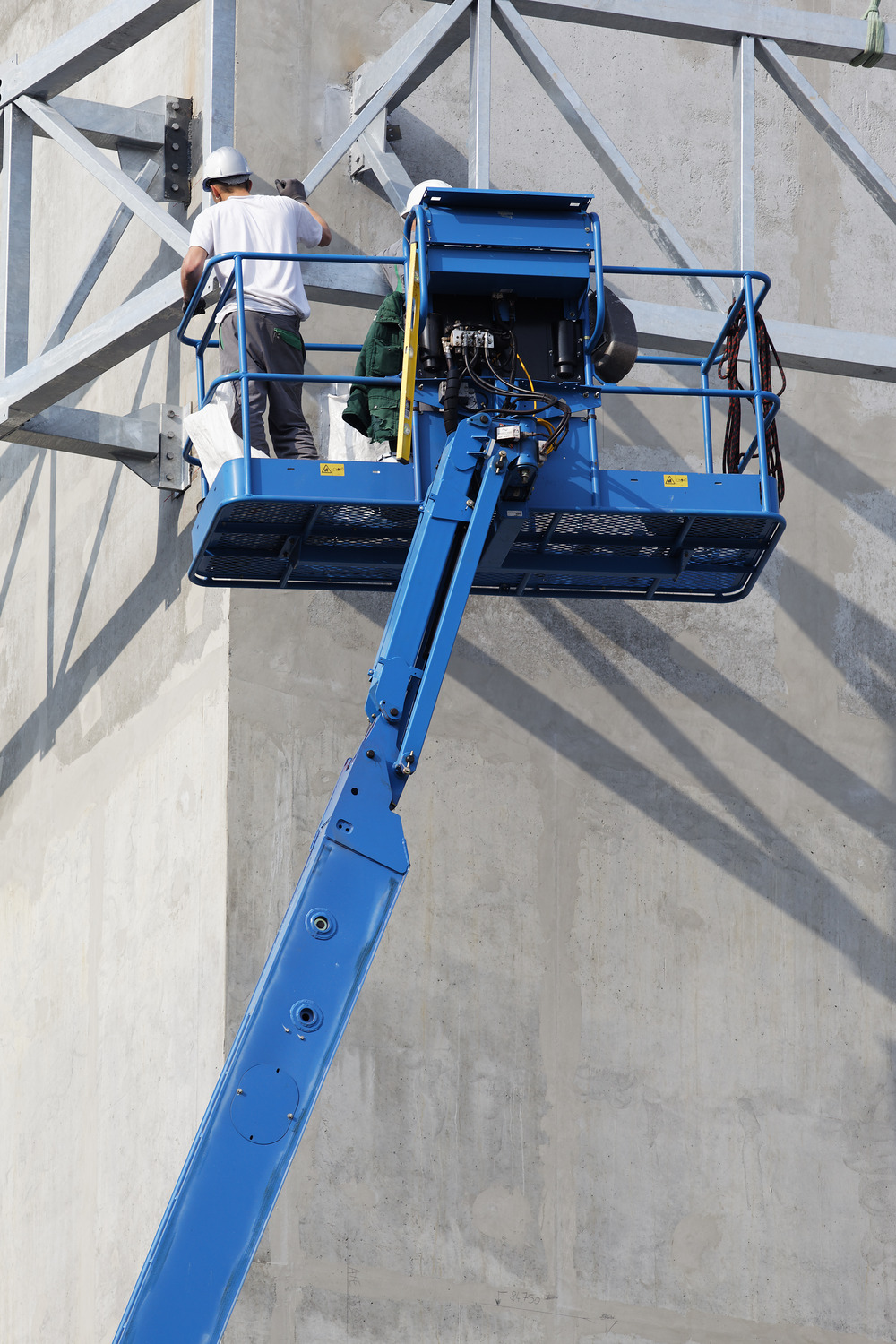
    ALPR crew carrying out maintenance and repairs to LPR equipment on site

    Use your assessment findings to create realistic budget and schedule estimates. This final step of your ALPR site assessment transforms discoveries into actionable project plans.

    Cost factors to include:

    • Specialized equipment rental (bucket trucks, traffic control devices)
    • Additional labor for challenging installations
    • Permit fees and application costs
    • Traffic management and police coordination
    • Extended timeline due to weather or permit delays

    Timeline considerations:

    • Permit approval waiting periods
    • Traffic restriction schedules (many areas only allow major road work during off-peak hours)
    • Weather windows for outdoor work
    • Equipment availability and scheduling

    Plan Smart, Install Smooth

    Comprehensive ALPR site assessment might add time to your project planning, but it prevents much bigger problems during installation. Spending a few days on thorough evaluation can save weeks of delays and thousands in unexpected costs.

    Installation challenges discovered during assessment can be planned for and budgeted appropriately. The same challenges discovered during installation become expensive emergency problems that delay your entire project.

    A methodical site assessment turns potential installation disasters into manageable, predictable tasks that keep your project on time and on budget.

    Looking to elevate your security infrastructure with cutting-edge LPR solutions?

    We are just a phone call away. Call us today at (813) 749-0892 for a free consultation.

    LICENSE PLATE RECOGNITION (LPR): THE ULTIMATE GUIDE TO VEHICULAR INTELLIGENCE

    PlateSmart’s deep dive into License Plate Recognition and its immense contribution to security agencies and businesses.

    Frequently Asked Questions About Network Connectivity for ALPR Systems

    ALPR site assessment is crucial because it identifies challenges before they become costly problems. Installing equipment without proper evaluation can lead to expensive surprises involving traffic closures, special equipment, and unexpected permit requirements. A thorough site assessment reveals hidden installation costs, technical requirements, and regulatory hurdles that could derail your project timeline and budget. Proper evaluation prevents costly relocations and ensures optimal automatic license plate recognition system performance from day one.

    Organizations should test different camera angles during various times of day because lighting conditions change dramatically. Key factors include proper height and distance—too close creates blurry images while too far makes plates unreadable. Camera positioning at sharp angles may only capture partial plates. Coverage overlap should minimize blind spots between camera zones. Walk through each proposed location multiple times and take test photos from different positions to verify coverage before committing to mounting points.

    Environmental obstacles can block or interfere with camera views both now and in the future. ALPR site assessment must identify existing obstacles like trees, signs, light poles, or buildings that obstruct sight-lines. Consider seasonal changes—small trees might grow large enough to block cameras within two years. Check with local authorities about planned infrastructure changes. Areas prone to heavy snow, fog, or dust storms need special consideration. Document potential obstacles with photos and GPS coordinates for future reference.

    ALPR site assessment should determine what equipment and permissions are needed for installation. Easy access locations at ground level with standard poles require only basic ladders and tools with minimal traffic disruption and lower labor costs. Challenging locations like highway overpasses or busy intersections require bucket trucks, lane closures, traffic management, police escorts, and special permits. The difference in installation costs between these scenarios can be thousands of dollars per camera location.

    ALPR site assessment must evaluate available infrastructure for powering and connecting systems. Power considerations include proximity to electrical sources, need for new electrical runs, backup power requirements, and solar power feasibility for remote locations. Connectivity options include existing network infrastructure, wireless signal strength, cellular coverage quality, and fiber optic availability. Test wireless signals at different times of day because performance varies significantly during peak usage hours.

    Organizations must contact local authorities to understand all required permissions during ALPR site assessment. Essential considerations include zoning clearances to ensure camera placement complies with local laws, traffic management permits for installations affecting roadways, public notification requirements in some jurisdictions, and privacy compliance to verify positioning meets local surveillance regulations. Start this process early because permit approvals can take weeks or months and often require detailed site plans.

    ALPR site assessment transforms discoveries into actionable project plans with realistic budgets. Cost factors include specialized equipment rental like bucket trucks and traffic control devices, additional labor for challenging installations, permit fees and application costs, traffic management and police coordination, and extended timelines due to weather or permit delays. Timeline considerations include permit approval waiting periods, weather windows for outdoor work, traffic restriction schedules, and equipment availability.

    Easy access locations during ALPR site assessment involve ground-level installations with standard poles requiring basic equipment and minimal disruption. Challenging locations like highway overpasses or busy intersections require specialized lifting equipment, lane closures with traffic management, police escorts or traffic control officers, and coordination with multiple agencies for special permits. This critical distinction in automatic license plate recognition site evaluation can reveal cost differences of thousands of dollars per camera location.

    Organizations should document ALPR site assessment findings with detailed photos and GPS coordinates of proposed camera locations. Take test photos from different positions to verify coverage. Document potential obstacles and how vegetation will look in different seasons. Record signal strength measurements for wireless connectivity. Identify any dead zones or coverage gaps. Create detailed site plans and technical specifications needed for permit applications. This comprehensive documentation prevents misunderstandings and supports realistic project planning.

    ALPR site assessment should account for multiple timeline factors that affect installation scheduling. Permit approval waiting periods can take weeks or months. Weather windows for outdoor work limit installation periods in some climates. Traffic restriction schedules mean many areas only allow major road work during off-peak hours. Equipment availability and scheduling can cause delays. Understanding these factors during automatic license plate recognition site evaluation helps create realistic project timelines and prevents costly delays.

    Thorough ALPR site assessment prevents budget overruns by identifying hidden costs before installation begins. Installation challenges discovered during assessment can be planned for and budgeted appropriately. The same challenges discovered during installation become expensive emergency problems that delay entire projects. Spending a few days on comprehensive evaluation can save weeks of delays and thousands in unexpected costs. Methodical site assessment turns potential disasters into manageable, predictable tasks that keep projects on time and on budget.

    Seasonal variation significantly impacts ALPR site assessment planning. Camera angles that work perfectly in summer might fail due to low winter sun angles. Small trees during assessment might grow large enough to block cameras within years. Snow accumulation, fog patterns, and seasonal dust storms affect camera performance differently throughout the year. Weather patterns influence installation timing and ongoing maintenance requirements. Consider how vegetation and environmental conditions will look across all seasons during automatic license plate recognition site evaluation.

    (The visuals on this page are stock images, used for illustrative purposes only)