
7 ALPR Weather Protection Strategies for Year-Round Performance
Protect your ALPR investment from weather damage. Expert strategies for equipment selection, environmental monitoring, and maintenance in harsh conditions.
Introduction
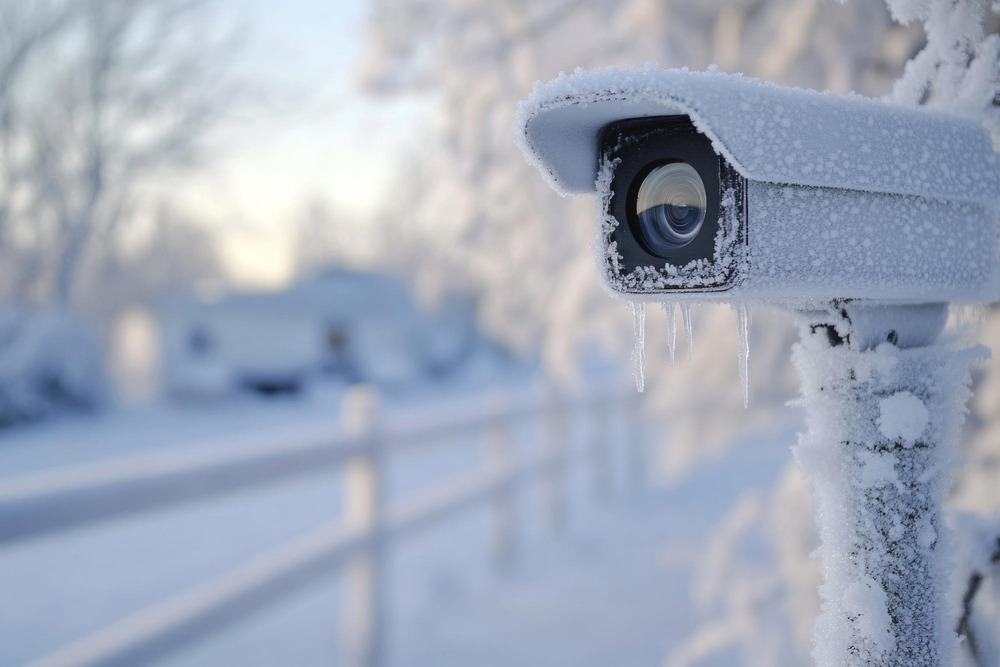
Mother Nature can be your ALPR system's toughest opponent. Rain droplets turn clear images into blurry messes, while fog reduces visibility to just a few feet. Temperature swings fog up lenses, summer heat causes shutdowns, and winter storms pile snow on equipment.
Environmental challenges don't just affect image quality - they can bring your entire system offline when you need it most. Effective ALPR weather protection ensures your investment delivers reliable performance regardless of conditions.
1. Choose Equipment Built for Your Climate
Not all ALPR equipment handles weather the same way. What works perfectly in Arizona's dry heat might struggle in Alaska's freezing temperatures or Florida's humidity.
Key specifications to verify:
- Temperature ratings: Ensure equipment operates in your local temperature extremes
- Humidity resistance: Critical for coastal areas or regions with high moisture
- Ingress protection (IP) ratings: Look for IP66 or higher for outdoor installations
- Corrosion resistance: Essential for coastal environments with salt air
Don't assume standard equipment will work in extreme conditions. Request specific performance data for your climate zone before making purchasing decisions. Proper equipment selection forms the foundation of any ALPR weather protection strategy.
2. Use Essential ALPR Weather Protection Housing and Shields

Even weather-rated equipment benefits from additional protection against direct exposure to harsh conditions.
Protective measures:
- Weather housings: Sealed enclosures that protect sensitive electronics
- Sun shields: Prevent overheating and reduce glare from direct sunlight
- Heating elements: Keep lenses clear in freezing conditions
- Drainage systems: Ensure water doesn't accumulate around equipment
Consider installing protective awnings or covers in areas with extreme weather. The upfront cost of proper housing pays off through reduced maintenance and longer equipment life, making it a smart ALPR weather protection investment.
3. Combat Lens Contamination Issues


Clear lenses are essential for accurate license plate recognition, but outdoor conditions constantly work against you.
Lens protection strategies:
- Hydrophobic coatings: Help water slide off rather than forming droplets that distort images
- Anti-fog treatments: Prevent condensation buildup during temperature changes
- Dust shields: Reduce particle accumulation in windy or dusty environments
- Bird deterrents: Prevent nesting and waste accumulation on equipment
Regular lens cleaning should be part of your maintenance schedule, but proper coatings reduce how often cleaning is needed.
4. Deploy ALPR Weather Protection Measures for Temperature Extremes
Extreme temperatures affect both equipment performance and image quality, requiring targeted ALPR weather protection measures.
Heat management:
- Ventilation systems: Prevent overheating in equipment enclosures
- Thermal monitoring: Automatic shutdowns before damage occurs
- Shade structures: Reduce direct solar heating of equipment
Cold weather protection:
- Heating elements: Keep critical components above freezing
- Insulated housing: Maintain stable temperatures in equipment enclosures
- Battery warmers: Ensure backup power systems function in cold conditions
Monitor equipment performance during temperature extremes and establish protocols for temporary shutdowns if conditions exceed safe operating limits.
5. Address Seasonal Visibility Challenges
Different seasons bring unique challenges that require specific countermeasures as part of your comprehensive ALPR weather protection plan.
Winter considerations:
- Snow accumulation: Regular clearing of equipment and mounting structures
- Ice formation: Heating systems to prevent ice buildup on lenses
- Reduced daylight: Enhanced lighting systems for shorter days
Summer challenges:
- Heat shimmer: Distorts images during extreme heat
- Storm frequency: Lightning protection and surge suppression
- Vegetation growth: Increased maintenance to prevent obstruction
Seasonal transitions:
- Fog and condensation: Common during temperature changes
- Pollen and debris: Spring cleaning becomes critical maintenance
Plan maintenance schedules around seasonal challenges rather than using the same approach year-round.
6. Implement ALPR Weather Protection Monitoring Systems
Automated monitoring helps you identify and respond to environmental threats before they cause system failures.
Monitoring capabilities:
- Temperature alerts: Warnings when equipment approaches operating limits
- Humidity sensors: Track moisture levels that could affect electronics
- Vibration detection: Identify equipment damage from high winds
- Power quality monitoring: Detect electrical issues during storms
Set up automated alerts that notify maintenance teams when environmental conditions threaten system operation. This enables proactive responses rather than reactive repairs, strengthening your overall ALPR weather protection approach.
7. Establish Weather-Responsive Maintenance Protocols
Regular maintenance becomes more critical in harsh environments, but timing and frequency should adapt to local conditions.
Maintenance scheduling:
- Pre-season inspections: Check equipment before harsh weather arrives
- Storm response procedures: Rapid assessment and repairs after severe weather
- Seasonal deep cleaning: Remove accumulated debris and contamination
- Seal and gasket replacement: Prevent water intrusion through worn components
Emergency procedures:
- Rapid response teams: Quick deployment for weather-related outages
- Backup equipment: Temporary replacements for damaged units
- Expedited repair processes: Fast-track approvals for emergency maintenance
Document all weather-related issues and maintenance actions to identify patterns and improve future protection strategies.
Conclusion: Building Weather-Resistant Systems
Effective ALPR weather protection isn't just about buying weather-rated equipment - it requires comprehensive planning that considers your local climate, seasonal patterns, and extreme weather risks.
The investment in proper environmental protection pays dividends through:
- Reduced downtime during critical weather events
- Lower maintenance costs from prevented damage
- Extended equipment life through reduced wear
- Consistent performance regardless of weather conditions
Your ALPR system's reliability during challenging weather often determines its overall value to your organization. Plan for the worst conditions you're likely to face, and your system will perform reliably when you need it most.
Looking to elevate your security infrastructure with cutting-edge LPR solutions?
We are just a phone call away. Call us today at (813) 749-0892 for a free consultation.
LICENSE PLATE RECOGNITION (LPR): THE ULTIMATE GUIDE TO VEHICULAR INTELLIGENCE
PlateSmart’s deep dive into License Plate Recognition and its immense contribution to security agencies and businesses.
Frequently Asked Questions About ALPR Weather Protection
(The visuals on this page are stock images, used for illustrative purposes only)