
ALPR Data Privacy: Protecting Communities While Enhancing Security
This guide shows how organizations can avoid ALPR data privacy pitfalls by establishing clear policies, designing the right system, and choosing a vendor who provides robust data privacy.

1. Automatic License Plate Recognition: A Double-Edged Sword?
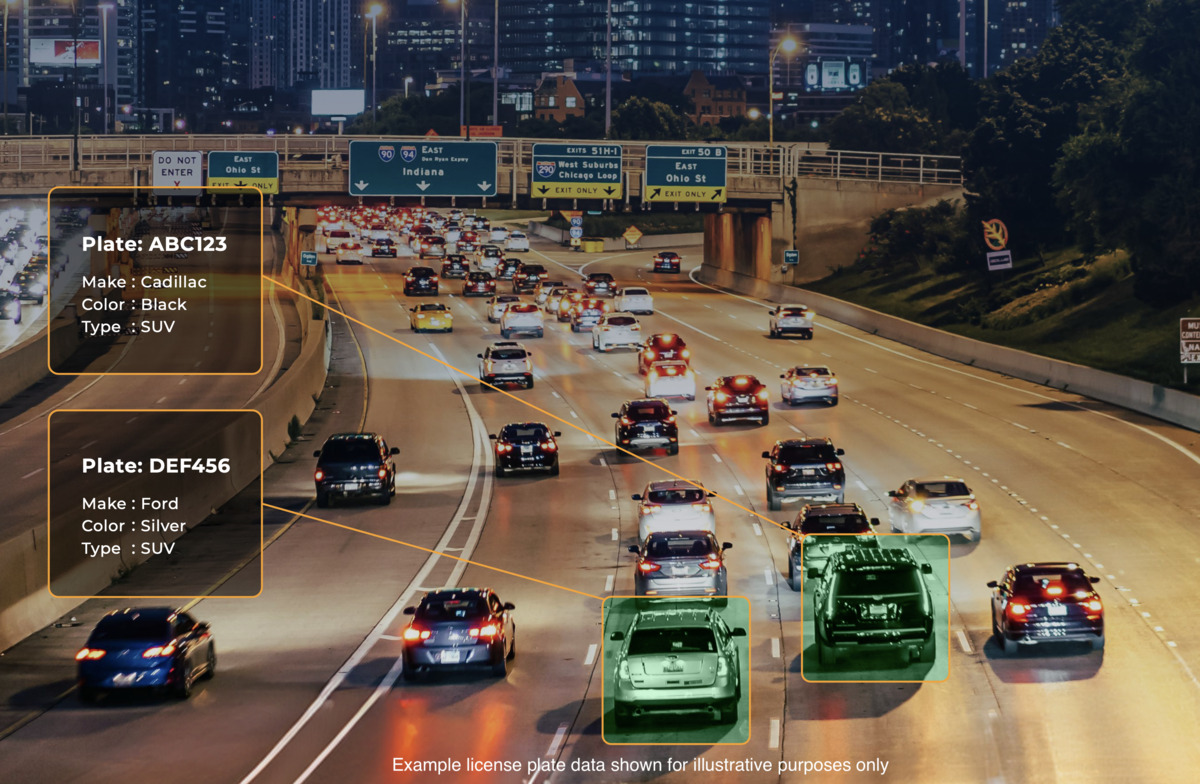
Automatic License Plate Recognition (ALPR) technology has become one of the most valuable tools for enhancing security and efficiency in our communities. These intelligent systems instantly capture vehicle information like license plate numbers, color, make, and type, helping security agencies solve crimes faster and businesses serve customers better.
ALPR systems help police departments recover stolen vehicles within hours, assist hospitals in managing visitor parking, help universities streamline campus access, enable shopping centers to prevent theft, and allow rental car companies to optimize operations. The technology proves invaluable in amber alerts, helping locate kidnapped children by identifying suspect vehicles even as they travel across wide areas.
However, recent incidents have highlighted cases where license plate data was accessed inappropriately or shared beyond its intended scope, raising important questions about data privacy and proper oversight.
These problems stem from poor system design and inadequate data privacy protections, not the technology itself. Not all ALPR providers operate the same way, and organizations can choose solutions that deliver security benefits while maintaining strict data privacy protections. The challenge is finding the right balance. How do we enjoy the security benefits of ALPR technology while protecting our fundamental right to privacy?
At PlateSmart Technologies, we've built our business around a privacy-first approach that puts customer data ownership and control at the center of everything we do. Whether through on-premises or cloud deployments, our ALPR software ensures organizations achieve their security objectives while protecting individual privacy and maintaining community trust.
2. Understanding the Data Privacy Challenge

Some License Plate Recognition systems operate by pooling data from thousands of cameras into large, centralized databases that can be searched by law enforcement agencies across the country. While this approach may seem convenient, it can create opportunities for misuse and data privacy violations.
Recent investigations have revealed concerning examples that demonstrate the scope of these data privacy violations. In one case, a law enforcement officer used a nationwide ANPR network to search for a woman who had received medical care, accessing data from over 83,000 cameras across multiple states.
Multiple immigration-related incidents have also emerged. In Richmond, Virginia, an ATF analyst gained unauthorized access to the city's license plate reader network and conducted searches specifically for immigration enforcement purposes, despite Richmond's explicit policy against using local resources for federal immigration enforcement. The city had partnered with ATF for violent crime prevention, but never authorized immigration-related searches. When discovered, Richmond permanently blocked all federal agencies from accessing their system for immigration purposes.
Similarly, in Denver, audit logs revealed that ALPR data was accessed over 1,400 times for immigration-related searches between June 2024 and April 2025, with approximately 690 of these searches occurring after the recent presidential inauguration. These searches were conducted by out-of-state police departments entering reasons like "ICE" or "immigration" to access Denver's network of cameras, raising serious questions about cross-jurisdictional surveillance overreach.
These examples highlight several important problems:
Uncontrolled data sharing: Access to customer data was widely granted without clear oversight or customer control.
Insufficient verification: Searches were conducted with minimal verification of their legitimacy or necessity.
Mission creep: Technology deployed for specific security purposes was used for unrelated investigations.
Lack of transparency: Data owners and community members were unaware of how their information was being accessed and used.
These issues don't arise from technical flaws but from fundamental design choices about how License Plate Recognition systems handle data privacy and customer control.
3. How Data Privacy Problems Develop: System Design Matters

Data privacy breaches in ALPR systems typically stem from centralized architectures that prioritize data sharing over privacy protection. Joining an LPR network often means automatically sharing your data with unknown third parties and gaining access to everyone else's data.
This creates a "data honeypot" – a massive, centralized database that becomes valuable for legitimate investigations but also attractive for potential misuse and data privacy violations.
Warning signs of potentially problematic License Plate Reader systems include:
Automatic data pooling: Systems that require you to share your data as a condition of accessing the network.
Broad search capabilities: Tools that allow vague or fishing-expedition type searches across multiple jurisdictions.
Weak access controls: Systems with minimal verification requirements for data requests.
Limited audit capabilities: Networks that don't provide detailed logs of who accessed what data and when.
Vendor-controlled policies: Systems where the technology provider, rather than the customer, determines data use and sharing policies.
The fundamental issue is that some systems treat data sharing as the default, with data privacy protection as an afterthought. A better approach puts data privacy first and makes data sharing the exception, not the rule.
4. A Privacy-First Alternative: How Better ALPR Systems Protect Data Privacy
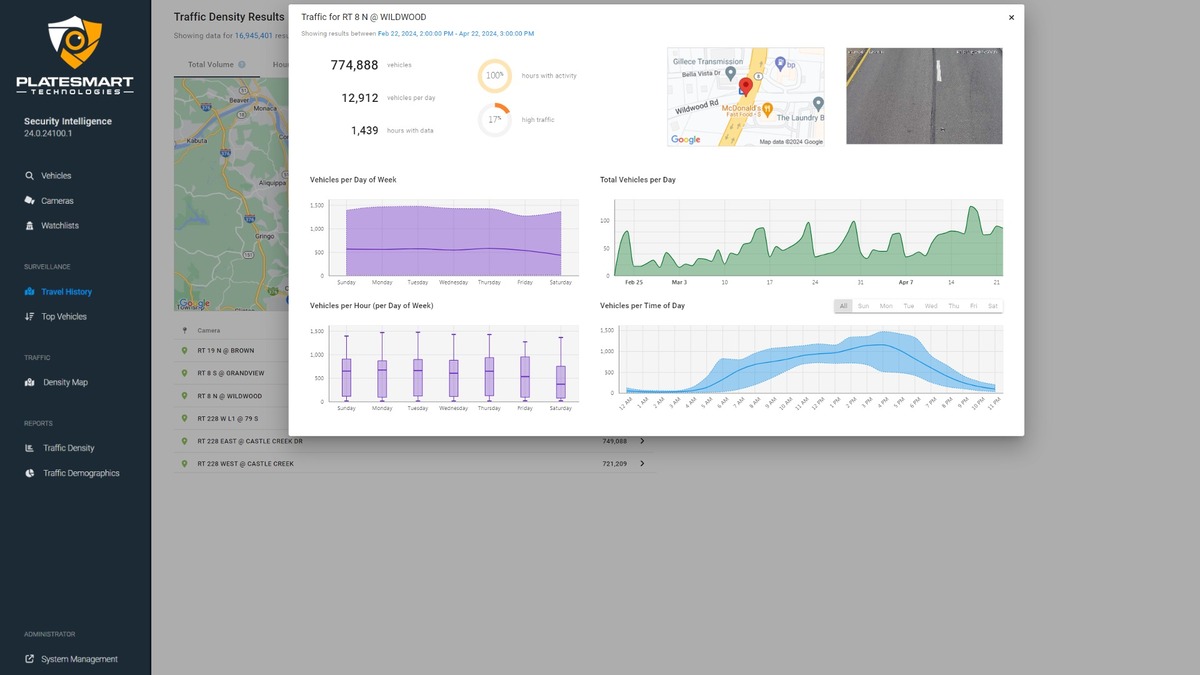
At PlateSmart Technologies, we live by a privacy-first approach that gives customers complete control over their data. We offer two deployment methods – on-premises and cloud-based solutions – and in both cases, data privacy problems are prevented by design.
On-Premises Solutions:
Our on-premises License Plate Recognition software keeps all data on the customer's own servers, under their direct control. The organization decides who can access the data, how long to keep it, and what purposes it can serve.
With PlateSmart's on-premises deployment, there's no centralized database, no automatic data sharing, and no outside access without explicit customer authorization. When a hospital deploys our LPR software on premise, their data never leaves their facility.
This approach eliminates the data privacy risks that come with centralized data pooling. Since the data never leaves the customer's control, it cannot be accessed inappropriately by outside agencies or used for purposes the customer hasn't explicitly authorized.
Protected Cloud Solutions
For customers who prefer cloud or hosted deployment, we can create completely isolated environments for each customer. We never sell customer information, never allow cross-customer data access, and never permit outside organizations to search customer databases without explicit authorization.
Our cloud customers maintain the same level of control over their data as our on-premises customers. They set their own data retention policies, determine who within their organization can access information, and maintain complete audit trails of all data access. The only difference is that their data is stored on our secure servers rather than their own hardware.
Key Data Privacy Features Across Both Deployments
Whether customers choose on-premises or cloud deployment, PlateSmart's License Plate Scanner software includes the following essential data privacy safeguards:
Customer data ownership: Clear contractual language establishing that customers own and control their data completely.
No automatic sharing: Neither deployment method requires or enables automatic data sharing with third parties.
Granular access controls: Detailed permission systems that let customers control exactly who can see what information within their organization.
Comprehensive audit trails: Complete logs showing exactly who accessed data, what they viewed, and when they did it.
Strong encryption: Protection of data both in storage and transmission using industry-standard security measures.
Configurable retention: Automatic deletion policies that customers can set according to their needs and legal requirements.
5. Choosing the Right ALPR Partner for Data Privacy Protection

Organizations can protect themselves by asking the right questions about data privacy before selecting a vendor.
Data Ownership and Control
Ask: "Who owns the data collected by your License Plate Recognition system?" The answer should be clear: the customer does. Be cautious of vendors who claim shared ownership or reserve rights to use customer data.
Ask what happens to your data if you end the contract. Can you get a complete copy? Will it be permanently deleted from the vendor's systems? A trustworthy vendor will have clear, customer-friendly policies about data portability and deletion.
Understanding Data Sharing
Key questions include:
- Does joining your network automatically share my data with other customers?
- Can outside agencies access my data without my explicit permission?
- How do you verify that data requests are legitimate?
- Do you have contracts with federal agencies that grant them access to customer data?
Security and Access Controls
Ask vendors to explain who within their organization can access customer data and under what circumstances. Inquire about audit capabilities. Can you see logs of who has accessed your data? Can you generate reports on search activity? If the vendor can't provide detailed audit information, consider it a red flag.
Business Model Transparency
Pay attention to how the vendor makes money. Vendors who profit from selling customer data have different incentives than those who make money by providing good service. Be especially wary of "free" ALPR services. These often come with hidden costs in the form of data sharing requirements or limited customer control.
Ask if the vendor will be moving the data somewhere else. Either in data"dumps" or after the contract has expired. Also, for how long will they have access to the data after the customer's data retention has expired.
6. Best Practices for Responsible Implementation and Data Privacy

Even with a privacy-respecting vendor, organizations should take additional steps to ensure responsible License Plate Reader deployment and data privacy protection.
Develop Clear Policies
Create written policies defining exactly how the technology will be used, including authorized purposes, who can access data, retention periods, and community notification measures. Make these data privacy policies public and easily accessible.
Train Your Team
Everyone with ALPR access needs proper training on both technical operation and data privacy responsibilities. This should cover your organization's specific policies, legal requirements, the importance of protecting civil liberties, and proper documentation procedures.
Engage Your Community
Proactively explain why you're implementing the technology, how it will be used, and what data privacy safeguards are in place. Consider public meetings to discuss ALPR plans and answer questions. This builds trust and often generates valuable feedback that improves policies and procedures.
It can be helpful to explain that License Plate Detection technology captures only visible license plate information – which is state-issued property displayed openly in public spaces – rather than private information such as the faces or identities of vehicle occupants. This distinction often helps community members better understand the scope and nature of the data being collected.
Establish Ongoing Oversight
Create regular review processes to ensure appropriate use. Consider forming oversight committees that include community representatives to review usage logs and investigate concerns.
7. Questions to Ask Vendors Before Signing Their Contracts

About Data Ownership:
- Who legally owns the data collected by your Automatic License Plate Readers?
- Can you guarantee our data won't be shared without our explicit written consent?
- Will you provide complete data copies and permanent deletion if we end our contract?
About Access and Sharing:
- Does your system automatically share customer data with other users?
- Who gets access to our data if we join your network?
- How do you verify the legitimacy of data requests?
- Do you have any agreements giving government agencies automatic data access?
About Your Business:
- How does your company generate revenue?
- Do you sell or license customer data?
- Do you use customer data for your own business purposes?
About Security:
- Who within your company can access customer data?
- Can you provide detailed audit logs of data access?
- What encryption and security measures protect our information?
If vendors can't provide clear, satisfactory answers or seem evasive, consider looking elsewhere.
8. Building Trust Through Transparency and Data Privacy

Recent controversies surrounding Automated License Plate Recognition technology highlight the importance of choosing the right approach. While some systems have been misused, this doesn't mean the technology itself is flawed – it means we need better systems and policies that ensure transparency, accountability, and data privacy.
At PlateSmart Technologies, we believe that data privacy protection and security enhancement aren't competing goals – they're complementary ones. When communities trust that their data is being handled responsibly, they're more likely to support security initiatives and cooperate with legitimate investigations.
The future of ALPR technology depends on making the right choices today. By selecting privacy-first solutions, implementing transparent data privacy policies, and engaging proactively with communities, organizations can harness the significant benefits of License Plate Recognition technology while protecting the privacy and civil liberties that are fundamental to our society. The choice is clear: we can have both security and data privacy.
Ready to Implement ALPR the Right Way?
If you want to have a deeper conversation about how you can enjoy the benefits of ALPR technology without the data privacy violations, we are just a phone call away.
Looking to elevate your security infrastructure with cutting-edge LPR solutions?
We are just a phone call away. Call us today at (813) 749-0892 for a free consultation.
LICENSE PLATE RECOGNITION (LPR): THE ULTIMATE GUIDE TO VEHICULAR INTELLIGENCE
PlateSmart’s deep dive into License Plate Recognition and its immense contribution to security agencies and businesses.
Frequently Asked Questions About ALPR Data Privacy
(The visuals on this page are stock images, used for illustrative purposes only)