
The Future of ALPR: 7 Emerging Trends Revolutionizing Vehicle Recognition Technology
Discover how 7 key emerging trends in vehicle recognition are revolutionizing Automatic License Plate Recognition (ALPR) technology and creating unprecedented opportunities for enhanced security operations

Introduction
Picture this: It's 2030, and the Automatic License Plate Recognition (ALPR) systems of today look as outdated as flip phones do to us now. The technology has evolved so dramatically that what once seemed like science fiction is now standard practice in security, law enforcement, and business operations.
While we can't time travel to see exactly what the future holds, we can certainly spot the emerging trends that are already transforming ALPR and will continue to accelerate in the coming years.
Let's explore the seven most transformative emerging trends that are reshaping the ALPR landscape and creating unprecedented opportunities for security and operational efficiency.
1. Emerging Trend: Integration with Video - Beyond Single Frames
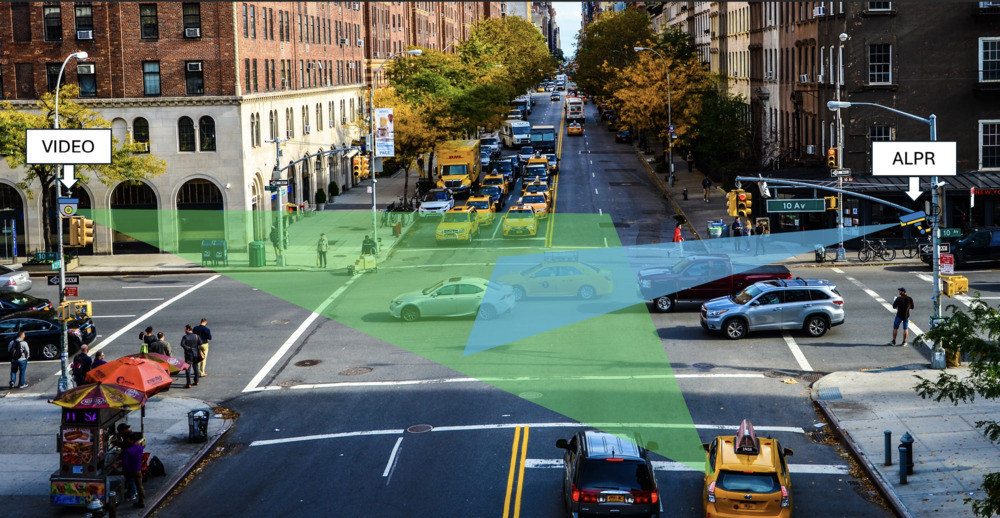
The next big step in ALPR evolution is stronger integration with video management systems (VMS). This emerging trend adds a critical contextual layer to license plate data, enabling a more comprehensive understanding of vehicle movements.
Future license plate recognition systems won't just tell you what plate they've read—they'll provide the complete visual context around that detection.
What's changing:
- Seamless VMS Integration: ALPR systems will connect with existing VMS solutions to pull relevant video footage associated with each plate capture.
- One-Click Video Access: Users will be able to instantly access video clips from recorded footage relevant to ALPR captures, cutting down hours of manual searching.
- Enhanced Contextual Understanding: Security operators gain additional visual context around each plate capture, providing valuable situational awareness for investigations and decision-making.
- Streamlined Interface: Instead of switching between multiple systems, operators will access both license plate data and associated video through a single, unified interface.
This integrated approach transforms ALPR from an identification tool into a comprehensive investigative platform that provides both the what (license plate data) and the when/how (video context) in one seamless experience.
PlateSmart has already pioneered this integration with PlateSmart Vision. When paired with PlateSmart ARES, Vision enriches LPR results with relevant video feeds at the click of a button, eliminating the need to tediously search through hours of footage. This game-changing solution saves crucial investigation time and provides immediate contextual information by making the associated video available on the same screen as the LPR result. For security professionals, this means faster response times, enhanced situational awareness, and more effective investigations.
2. Emerging Trend: Multi-Factor Vehicle Identification - Beyond the Plate

The expanding toolkit of vehicle identification:
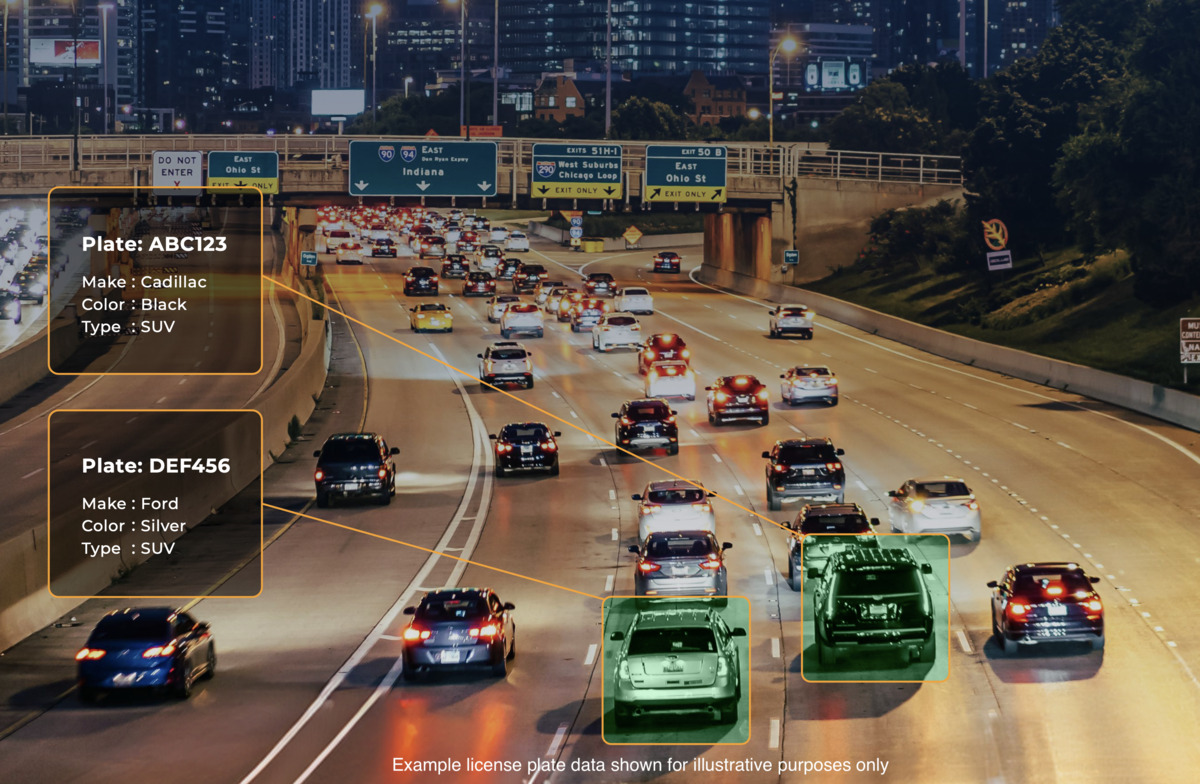
- Vehicle Make, Model, and Color Recognition: Already available in advanced systems, this capability will become standard, allowing identification even when plates are obscured or altered.
- Vehicle Fingerprinting: Systems will be able to identify unique patterns in a vehicle's appearance—scratches, dents, window stickers, or aftermarket modifications—creating a "fingerprint" that's harder to falsify than license plates.
- Behavioral Signatures: The way a vehicle moves through traffic, accelerates, or navigates turns could create recognizable patterns that could help confirm identity.
- Integration with Other Technologies: Combining ALPR with facial recognition, gait analysis, and other biometric technologies could create a multi-layered identification approach.
It's like going from a single-lock door to a multi-lock security system. If one identification method fails, the others still maintain security.
Of course, with greater capabilities come greater responsibilities. These advanced identification systems will need to be implemented with strict privacy protections and in accordance with all applicable laws and regulations.
3. Emerging Trend: AI Advancements - The Intelligent Evolution

Advanced license plate recognition camera systems are already using AI to vastly improve accuracy, speed, and performance in adverse conditions. However, as the power of AI is increasing at an exponential rate, so will the capabilities of the best ALPR systems.
ALPR software serves as the brain of the system, interpreting the visual data collected by LPR cameras. Advanced AI will significantly enhance this interpretive capability, making the entire system more intelligent. This emerging trend represents a fundamental shift in how automatic number-plate recognition technology operates.
Key advancements in AI-powered ALPR:
- Behavioral Pattern Recognition: AI will identify suspicious vehicle movement patterns, automatically flagging potential security threats before they escalate.
- Predictive Analysis: By analyzing historical data, AI-powered systems will help forecast traffic patterns, predict peak business hours, and could possibly even help anticipate potential criminal activity.
- Anomaly Detection: Future systems will automatically recognize when something doesn't fit usual patterns—like a delivery truck in a residential area at 3 AM or a vehicle moving erratically—and alert security personnel to investigate.
This represents a fundamental shift in ALPR capabilities, where software transforms basic camera inputs into actionable intelligence through sophisticated processing and analysis.
4. Emerging Trend: Edge Computing - Processing at the Source
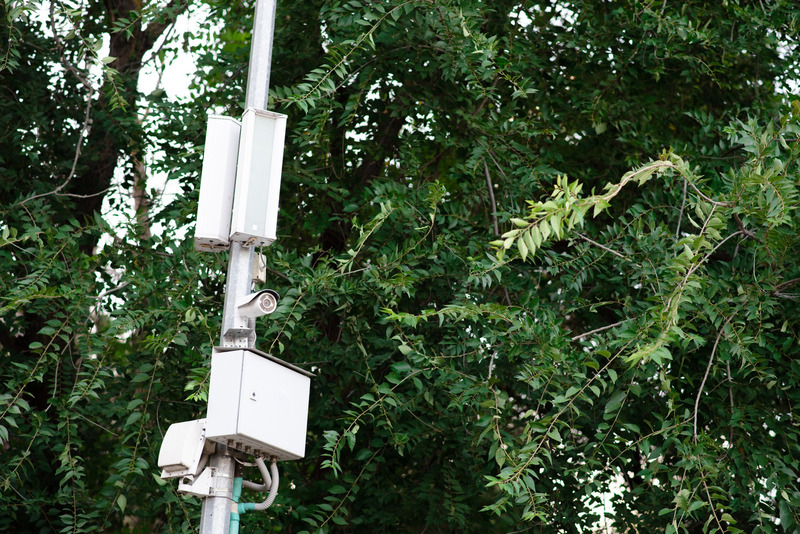
The shift towards edge computing is revolutionizing how license plate reader camera systems operate. This emerging trend addresses critical operational challenges by processing data close to the source rather than in distant data centers.
The transformative power of edge computing:
- Drastically Reduced Latency: When processing happens at the edge, response times drop from seconds to milliseconds—critical for real-time applications where immediate decision-making is crucial.
- Bandwidth Optimization: Processing data locally and only sending relevant information to central systems reduces network traffic by up to 90%, making ALPR viable even in areas with limited connectivity.
- Enhanced Privacy: Edge systems extract only necessary data while discarding sensitive information before it leaves the device, addressing growing privacy and security concerns.
- Operational Resilience: Edge-based systems continue functioning even when disconnected from central networks, ensuring continuous protection during network outages.
The most effective way of capitalizing on edge computing is to use it as a part of a hybrid methodology. Critically time-sensitive or highly private data is processed on edge while the rest of the data is processed in the cloud.
This helps prevent over-burdening of the edge systems, the central hub and the bandwidth, and shared infrastructure allows for reduced overall cost in the long term.
5. Emerging Trend: Increased IoT Integration - The Connected Ecosystem

The increasing synergy between ALPR camera systems and the Internet of Things (IoT) is extending license plate recognition beyond its traditional applications into a broader ecosystem of connected devices and systems. This emerging trend is transforming how automated licence plate recognition technology integrates with modern infrastructure.
The future of connected ALPR:
- Smart City Integration: ALPR systems will contribute to broader urban planning initiatives, optimizing traffic management and facilitating smart parking solutions.
- Interconnected Infrastructure: By connecting with traffic signals, parking facilities, and emergency response systems, ALPR will become part of a coordinated urban management network.
- Enhanced Security Ecosystem: Integration with other security technologies will create a comprehensive protection framework where various systems will share information and coordinate responses.
- Automated Facility Management: ALPR data will feed directly into building management systems, optimizing everything from parking allocation to facility security.
This represents a fundamental shift in how we think about ALPR as it transforms from a passive identification technology to an active participant in modern life.
6. Emerging Trend: Advanced Data Analytics - From Identification to Intelligence
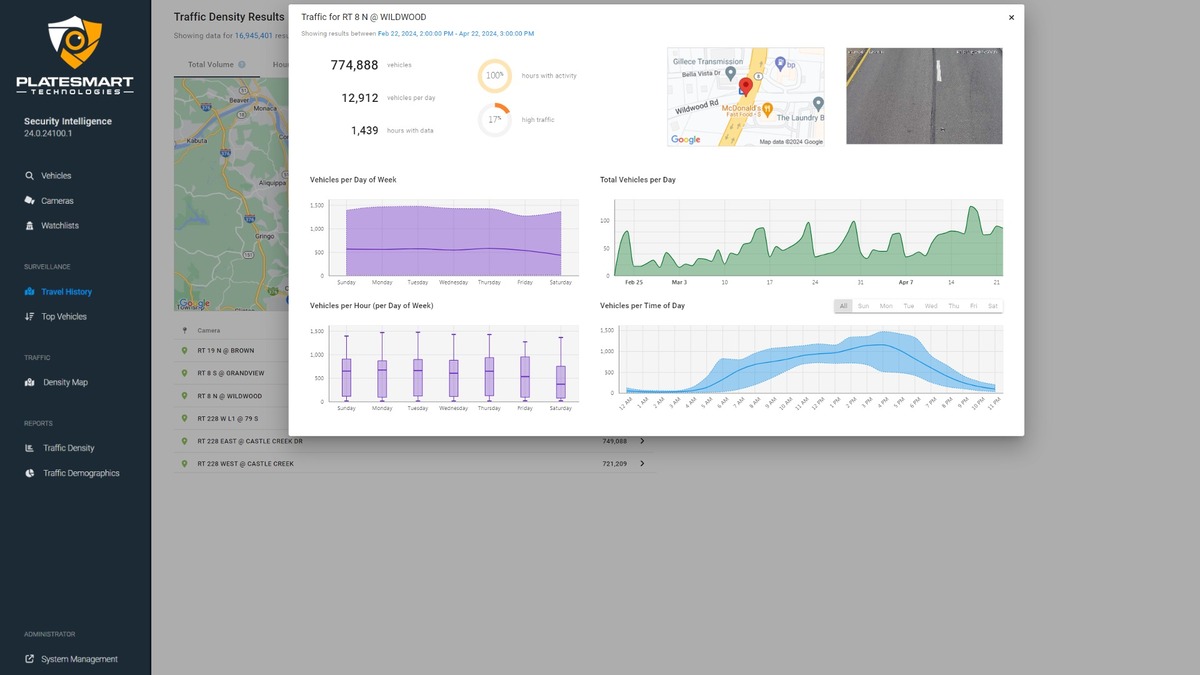
The future of licence plate recognition is intricately tied to advanced data analytics. This emerging trend extends beyond the core function of capturing license plate data, evolving these systems into sophisticated analytical tools that transform raw data into actionable intelligence.
When ALPR evidence is presented in court, questions about data integrity can undermine its value. Advanced analytics combined with proper data management eliminates these concerns by providing comprehensive, reliable information.
How analytics is transforming ALPR:
- Predictive Analytics: By analyzing historical data, systems can forecast traffic patterns, predict peak times, and anticipate potential security threats.
- Anomaly Detection: Advanced algorithms identify unusual patterns or behaviors that might indicate security concerns or operational issues.
- Pattern Recognition: Systems identify recurring vehicle movements, establishing baselines and highlighting deviations that warrant attention.
- Business Intelligence: For commercial applications, number plate recognition analytics provide insights into customer behavior, peak business hours, and operational efficiency.
Think of advanced analytics as transforming ALPR from a simple identification system into a comprehensive intelligence platform. Once sealed into a proper analytical framework, the data becomes a powerful tool for proactive decision-making rather than just reactive responses.
7. Emerging Trend: Cross-Agency Collaboration - Breaking Down Data Silos
As the sharing of automatic license plate reader data and insights becomes more widespread, this emerging trend could foster collaboration among law enforcement agencies, industries, and possibly even countries. However, this collaboration must be built on a foundation of strong data privacy protections and explicit consent rather than automatic data pooling.
Currently, many organizations operate in isolation, with valuable data trapped in silos. The future of license plate scanner technology will see a breaking down of these barriers through controlled, privacy-respecting collaboration that enables coordinated responses to security challenges across jurisdictional boundaries.
However, recent incidents have highlighted the risks of poorly designed data sharing systems. Some ALPR networks automatically pool customer data into centralized databases that can be searched without proper oversight or customer consent. This creates "data honeypots" that are vulnerable to misuse and privacy violations.
The collaborative future of ALPR:
- Inter-Agency Data Sharing: Law enforcement agencies will securely share ALPR data across jurisdictions with explicit authorization for each request rather than automatic access. This approach maintains data privacy while enhancing their ability to track vehicles involved in cross-border criminal activity.
- Public-Private Partnerships: Collaboration between government agencies and private businesses will create comprehensive security networks that protect communities while maintaining strict customer data ownership and control. Organizations will retain full authority over their data and determine when and how it can be shared.
- Global Security Cooperation: International sharing of ALPR data will help address transnational challenges like human trafficking and terrorism through controlled access protocols that require explicit authorization rather than default sharing arrangements.
- Standardized Data Protocols: The development of universal standards for ALPR data will facilitate secure information exchange between different systems while ensuring customer data ownership, comprehensive audit trails, and protection against unauthorized access.
- Transparent Oversight Mechanisms: Future collaboration will include clear audit capabilities, detailed access logs, and community oversight to ensure data sharing serves legitimate security purposes while protecting individual privacy rights.
This isn't just about technology—it's about fostering a collaborative approach to security that allows organizations to work together effectively while maintaining appropriate privacy safeguards and controls. The key is choosing systems that make privacy protection the default, with data sharing as the exception that requires explicit authorization and proper oversight.
The Future is Arriving Faster Than You Think
These seven emerging trends aren't just theoretical possibilities—they're emerging realities that are already beginning to transform ALPR technology. The future of ALPR isn't just about reading license plates—it's about creating intelligent, connected systems that transform how we manage security, traffic, and business operations. And that future is arriving faster than you might think.
For businesses, these advancements mean more efficient operations, enhanced customer experiences, and stronger security. For law enforcement, they represent powerful new tools to protect communities and solve crimes. And for technology providers like PlateSmart, they offer unprecedented opportunities to develop solutions that address ever-more-complex security and operational challenges.
As a leader in the ALPR landscape for over two decades, PlateSmart has already taken a leap into the future with its comprehensive ALPR ecosystem.
PlateSmart ARES 3.0: AI-powered LPR capturing plate, color, make, and type with advanced analytics like heat maps and travel patterns. [How it works]
PlateSmart Mobile Defender: In-car LPR that turns patrol vehicles into mobile crime-fighting units for areas beyond fixed cameras. [How it works]
PlateSmart Vision: Click-button access to relevant video footage—no more searching through hours of recordings. [How it works]
Together, these tools create a comprehensive ALPR ecosystem designed for law enforcement and business success.
Looking to stay ahead of the curve with the latest in ALPR technology? Call us today at (813) 749-0892 or email us at info@platesmart.com to learn how our industry-leading solutions can help your organization leverage these emerging trends.
Looking to elevate your security infrastructure with cutting-edge LPR solutions?
We are just a phone call away. Call us today at (813) 749-0892 for a free consultation.
LICENSE PLATE RECOGNITION (LPR): THE ULTIMATE GUIDE TO VEHICULAR INTELLIGENCE
PlateSmart’s deep dive into License Plate Recognition and its immense contribution to security agencies and businesses.
Frequently Asked Questions About Network Connectivity for ALPR Systems
(The visuals on this page are stock images, used for illustrative purposes only)